Mandelic Acid Serum: The Gentle Powerhouse for Glowing Skin Over Forty
Mandelic acid serum is a skincare star. It exfoliates, brightens, and fights acne. It causes less irritation than other acids. This makes it great for sensitive, dry, or acne-prone skin.
Mandelic Acid Serum Benefits
Gentle exfoliation (Larger molecules penetrate slowly)
Fades dark spots (Inhibits melanin production)
Unclogs pores (Reduces blackheads/whiteheads)
Anti-aging effects (Stimulates collagen)
Hydrates while exfoliating (Unlike glycolic acid)
Who Should Use It?
| Skin Type | Benefits |
|---|---|
| Sensitive | Less irritation than other AHAs |
| Acne-Prone | Reduces breakouts + post-acne marks |
| Dry/Mature | Exfoliates without stripping moisture |
| Rosacea | Calms redness while renewing skin |
MA Serum Uses
Daily Routine:
- Cleanse
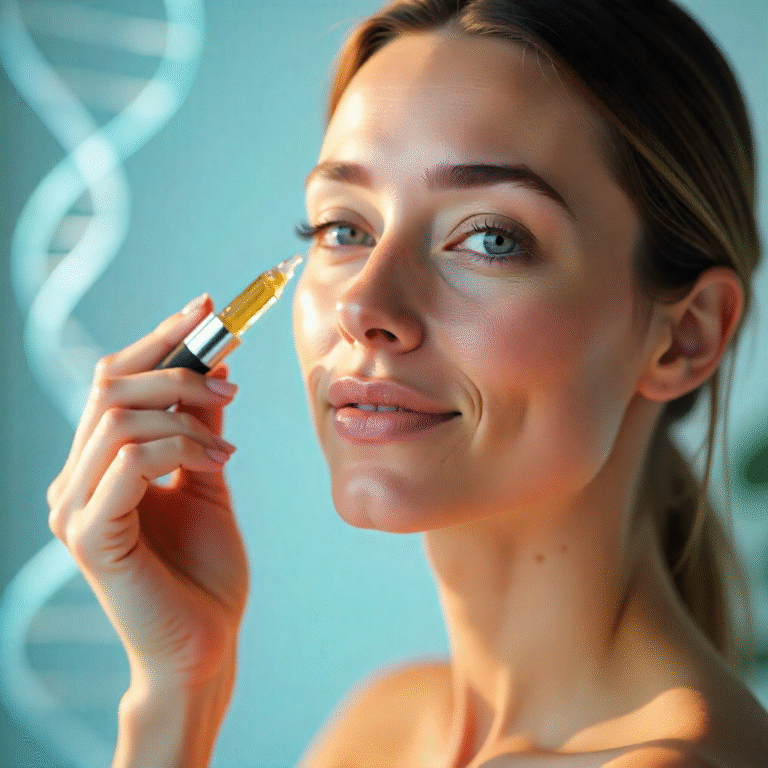
- Apply serum (2-3 drops)
- Moisturize
- SPF (AM only)
Pro Tip: Use at night 3- 4 times a week to start.
Can I Use Mandelic Acid Daily?
It depends on your skin’s tolerance. Mandelic acid is one of the mildest alpha-hydroxy acids (AHAs). This makes it safe for more regular use than stronger exfoliants like glycolic acid.
Many people with normal to dry skin can use a low-concentration mandelic acid serum (5-10%) every day. This is especially true if it is formulated with hydrating ingredients like hyaluronic acid.
However, those with sensitive or reactive skin should start with 2-3 applications per week and gradually increase frequency if no irritation occurs.
Watch for signs of over-exfoliation like redness, stinging, or increased dryness—these indicate you should scale back. For the best results, use mandelic acid every day. Also, follow a strong moisturizing routine and apply sunscreen daily. This is important because mandelic acid can make your skin more sensitive to the sun.
Pro tip: Alternate nights with restorative ingredients like ceramides or peptides if using daily long-term.
Remember: While mandelic acid is gentle, daily exfoliation isn’t necessary for everyone. 3-5 times weekly often delivers optimal results without compromising your skin barrier.
MA Serum for Acne
Why It Works:
- Kills acne bacteria (antimicrobial)
- Dissolves pore-clogging dead skin
- Reduces post-inflammatory hyperpigmentation (PIH)
Best Formula: Look for a 10% mandelic + 2% salicylic acid combo.
Mandelic Serum 20% (Advanced Use)
For Experienced Users Only:
- Faster results but higher irritation risk
- Use 1-2x/week max
- Always patch test
Avoid if: You’re new to acids or have active eczema.
How to Apply Mandelic Acid Serum
- Patch test (Behind the ear for 24h)
- Start slow (2-3 nights weekly)
- Wait 5 minutes before the next product
- Buffer with moisturizer if sensitive
Never Mix With:
Vitamin C (Can irritate)
Retinol (Over-exfoliation risk)
Other AHAs/BHAs (Stick to solo use)
Mandelic Acid Serum Ingredients
What to Look For:
- 5-10% mandelic acid (Beginner)
- Hyaluronic acid (Hydration boost)
- Niacinamide (Calms redness)
- Licorice root (Brightens)
Avoid: Alcohol, fragrance, essential oils.
Usage Age Limit
Teens+: Safe for acne (12+)
20s-30s: Anti-aging prep
40s+: Fights wrinkles + sun damage
FAQs about Mandelic Acid Serum
What is mandelic acid serum used for?
Mandelic acid serum is an alpha-hydroxy acid (AHA) used to exfoliate the skin, improve texture, reduce fine lines, unclog pores, and treat acne and hyperpigmentation. Its gentle nature makes it suitable for sensitive skin.
Does mandelic acid lighten skin?
Yes, mandelic acid can help lighten hyperpigmentation, dark spots, and acne scars over time by promoting exfoliation and skin renewal, resulting in a more even skin tone.
Is mandelic acid better than retinol?
It depends on your goals. Mandelic acid is gentler, better for sensitive skin, and primarily exfoliating, while retinol is more potent for collagen production, fine lines, and anti-aging. Some people use both in a structured routine for combined benefits.
What cannot be mixed with mandelic acid?
Avoid combining mandelic acid with other strong acids (like glycolic or salicylic acid), retinoids, or vitamin C in the same application, as this can cause irritation, redness, or sensitivity.
What are the disadvantages of mandelic acid?
Disadvantages include skin irritation, redness, peeling, or dryness if overused. It may also increase sun sensitivity, so sunscreen is essential.
What is the best combination with mandelic acid?
Mandelic acid pairs well with niacinamide, hyaluronic acid, or peptides. These ingredients can soothe, hydrate, and strengthen the skin barrier without irritating.
What to apply after mandelic acid?
After applying mandelic acid, use a hydrating serum or moisturizer to maintain skin barrier health. Always follow with sunscreen in the morning.
What is the 4 2 4 rule in skincare?
The 4-2-4 rule generally refers to a structured routine for layering skincare products:
- 4 minutes wait after cleansing
- 2 minutes for acid or active absorption
- 4 minutes before applying moisturizer or barrier-supporting products
This ensures each product is absorbed effectively without irritation.
Which is better, niacinamide or mandelic acid?
They serve different purposes. Mandelic acid exfoliates and improves texture, while niacinamide soothes, reduces inflammation, controls oil, and strengthens the barrier. For sensitive skin or daily use, niacinamide is gentler; for exfoliation and hyperpigmentation, mandelic acid is better.
How long before I see results from mandelic acid?
Visible results usually appear after 4–8 weeks of consistent use, depending on skin type and concerns like acne or hyperpigmentation.
When should you not use mandelic acid?
Avoid using mandelic acid if you have open wounds, active eczema, sunburn, or severe skin irritation. Also, avoid mixing it with strong acids or retinoids in the same application.
How long after applying mandelic acid can I apply moisturizer?
You can typically apply a moisturizer immediately or within a few minutes after mandelic acid, especially if the serum has absorbed into the skin. Moisturizer helps reduce potential irritation and maintain hydration.