Protein Powders: What You Need to Know Before You Buy
Protein powders can support muscle growth, recovery, weight management, and overall nutrition, but not all products are created equal. Understanding what’s inside the tub is the key to choosing a clean, effective, and safe product. This guide breaks down what protein powders are, how to use them, what Consumer Reports and independent tests reveal, and how to pick the right one for your health goals.
Why Protein Powders Are So Popular
Protein powders and shakes have become staples for athletes, fitness enthusiasts, and anyone trying to meet their daily protein needs. In the US, sales of protein supplements have climbed steadily over the past decade, reflecting a broader interest in health, convenience, and high-protein diets.
People reach for protein powders for different reasons. Some use them to support intense training, while others rely on them for quick nutrition during a busy day. There are also individuals who need extra protein due to age, recovery, or medical reasons. Whatever the motivation, understanding the product is essential to get real benefits without unwanted ingredients.
What Exactly Are Protein Powders
Protein powders are concentrated sources of protein derived from either animal or plant sources. They’re processed into a powdered form that can be mixed into shakes, smoothies, or recipes.
The most common types include:
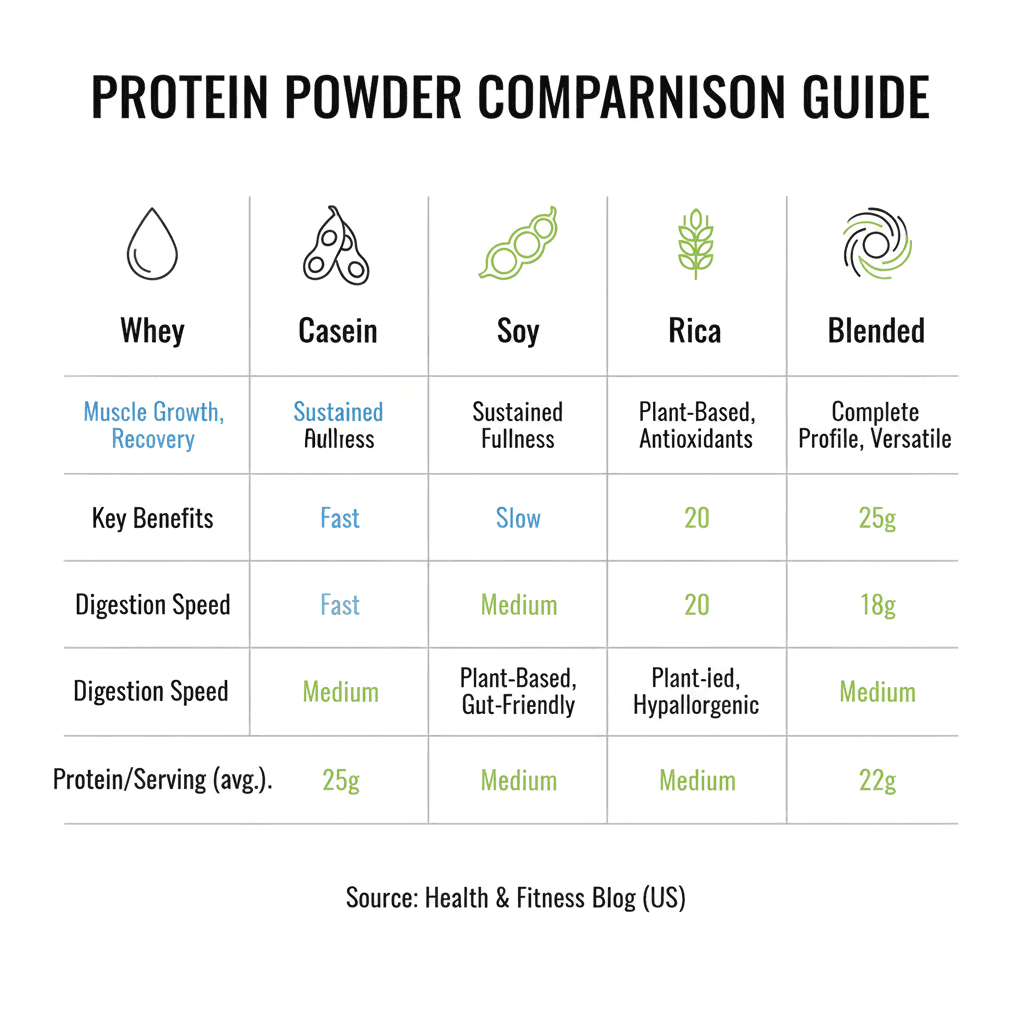
- Whey Protein: Derived from milk, whey is a complete protein that digests quickly, making it ideal for post-workout use.
- Casein Protein: Also from milk, casein digests slowly and is often used at night to support muscle recovery.
- Soy Protein: A plant-based complete protein, good for those avoiding dairy.
- Pea Protein: A popular plant-based option, hypoallergenic and easy to digest.
- Rice Protein: Lacks some essential amino acids but can be blended with others for a complete profile.
- Blended Plant Proteins: Combine multiple sources (pea, chia, hemp, quinoa) to improve amino acid balance.
Concentrate vs. Isolate vs. Hydrolysate
- Concentrate: Less processed, typically 60–80% protein, with some carbs and fats.
- Isolate: More processed, usually 90%+ protein, with minimal lactose and fat.
- Hydrolysate: Pre-digested for faster absorption but often more expensive.
Why People Use Protein Powders
Protein is essential for tissue repair, hormone production, and maintaining lean muscle mass. While most people can get enough through whole foods, protein powders can help fill gaps when needed. Common uses include:
- Muscle building and recovery: Especially after strength training.
- Weight management: Protein can increase satiety, helping control appetite and reduce snacking.
- Convenience: Quick nutrition for busy individuals.
- Dietary support: For vegans, vegetarians, or those with limited food variety.
- Medical or age-related needs: Older adults and individuals recovering from illness often need more protein to maintain muscle mass.
What Consumer Reports and Independent Tests Reveal
One of the most overlooked parts of choosing a protein powder is quality and safety. Independent testing, including Consumer Reports and organizations like the Clean Label Project, has uncovered significant differences between brands.
Heavy Metals and Contaminants
Consumer Reports has previously found that some protein powders contain measurable levels of lead, arsenic, cadmium, and mercury. These heavy metals can accumulate in the body over time and pose health risks, especially for children, pregnant women, and those using protein powder daily.
For example, in one Consumer Reports investigation, several popular plant-based powders had higher levels of heavy metals compared to whey-based products. This doesn’t mean plant proteins are unsafe, but it highlights the importance of third-party testing and transparent sourcing.
Label Accuracy
Some products didn’t match their labels. Tests have shown discrepancies in protein content, added sugars, or unlisted ingredients. This is why relying on marketing claims alone isn’t enough.
Additives and Sweeteners
Many powders contain artificial sweeteners, gums, and flavoring agents. While not always harmful, these can cause digestive discomfort for sensitive individuals and aren’t necessary for quality protein intake.
Key Factors to Consider Before Buying
Not all protein powders are worth your money. Here’s what to evaluate:
Protein Source and Quality
Choose a source that fits your dietary needs. Whey isolate is great for quick absorption, while plant-based blends are ideal for dairy-free or vegan diets.
Third-Party Testing and Certifications
Look for certifications such as:
- NSF Certified for Sport
- Informed Choice/Informed Sport
- ConsumerLab
- Positive ratings in Consumer Reports or Clean Label Project testing.
These indicate the product has been independently tested for contaminants and label accuracy.
Ingredient List
Avoid unnecessary fillers, excessive sugar, artificial dyes, or long lists of additives. The best powders have short, clean ingredient lists.
Nutritional Profile
Check:
- Grams of protein per serving (aim for 20–30 g for most adults)
- Amino acid profile, especially if plant-based
- Added nutrients like BCAAs, vitamins, or minerals (optional but useful)
Price vs. Value
A higher price doesn’t always mean better quality. Compare cost per serving, not just the total price.
Top-Rated Protein Powders (Based on Consumer Reports & Expert Reviews)
Here’s a selection of categories based on quality, testing, and overall reputation. Specific product names can change over time, so focus on the criteria first.
| Category | Example (2024–2025 reports) | Highlights |
|---|---|---|
| Best Overall | Whey isolate from a reputable NSF Certified brand | High protein per serving, minimal additives, clean testing |
| Best Plant-Based | Pea and rice blend rated well by Clean Label Project | Balanced amino acids, low heavy metals |
| Best Budget Pick | Whey concentrate with ConsumerLab approval | Affordable without sacrificing quality |
| Best for Athletes | NSF Certified for Sport whey isolate | Trusted for competitions, batch-tested |
| Best for Weight Loss | Low-carb whey or plant isolate with no added sugar | High satiety, supports calorie control |
Consumer Reports often updates their rankings yearly. Checking their most recent findings before buying is a smart step.
Common Mistakes People Make With Protein Shakes
Even high-quality protein powders can be used incorrectly. Common mistakes include:
- Using powders as meal replacements too often without adding fiber, healthy fats, or micronutrients.
- Not checking sugar content, leading to unnecessary calorie intake.
- Ignoring serving sizes, which can lead to excess protein or digestive issues.
- Relying on marketing claims instead of verifying third-party testing.
- Not staying hydrated, which is important when increasing protein intake.
How to Use Protein Powders Safely and Effectively
To get the most out of protein powder, focus on timing, pairing, and moderation.
Timing
- Post-workout: Whey protein or hydrolysates are excellent for quick recovery.
- Breakfast or snacks: Plant-based blends or casein can help keep you full longer.
- Evening: Casein or slower-digesting proteins support overnight recovery.
How to Mix
- With water: Simple, low-calorie, fast-digesting.
- With milk or milk alternatives: Adds creaminess, extra protein, and calories.
- In smoothies: Combine with fruits, veggies, healthy fats, or oats for a balanced meal.
Daily Protein Needs
For most adults, daily protein intake ranges from 0.8 to 1.2 grams per pound of body weight depending on activity levels and goals. Protein powder should complement whole food sources like lean meats, eggs, legumes, nuts, and dairy—not replace them.
Consult a Professional
People with kidney issues, pregnant or breastfeeding individuals, or those on medical diets should consult a doctor or dietitian before adding supplements.
Final Thoughts: Make Informed Choices
Protein powders can be a useful tool, but quality varies widely. The best approach is to choose products backed by third-party testing, clean ingredient lists, and transparent labeling. Consumer Reports and independent lab results offer valuable insight into what’s really in your shake.
Whether your goal is building muscle, managing weight, or simply supporting a busy lifestyle, selecting a tested and trusted protein powder ensures you’re supporting your health—not undermining it.
FAQs
Are protein powders safe to use every day?
For most healthy adults, yes—when used as part of a balanced diet and in appropriate amounts. Choose tested, clean products to avoid contaminants.
Which protein powder has the least heavy metals?
Whey isolates generally test lower for heavy metals than some plant-based powders, but the best way to ensure safety is to choose a product with third-party certifications and check recent Consumer Reports or Clean Label Project data.
Is whey protein better than plant protein?
Whey is a complete protein with rapid absorption, making it ideal post-workout. Plant proteins can be just as effective when blended for a complete amino acid profile, especially for those avoiding dairy.
Can I lose weight using protein shakes?
Yes, protein shakes can support weight loss by increasing satiety and preserving muscle mass during calorie restriction. They should complement a balanced diet and not replace whole foods entirely.
Do Consumer Reports recommend any specific protein powder brands?
Consumer Reports doesn’t officially endorse products, but their testing highlights which powders meet safety and quality standards. Checking their latest reviews is the best way to identify reliable brands.