Pecans: Nutrition, Benefits, Storage, and How to Use Them in US Cooking
Pecans are a staple in many American kitchens. They offer a rich flavor, strong nutritional benefits, and plenty of ways to use them in meals and snacks.
What Makes Pecans Unique
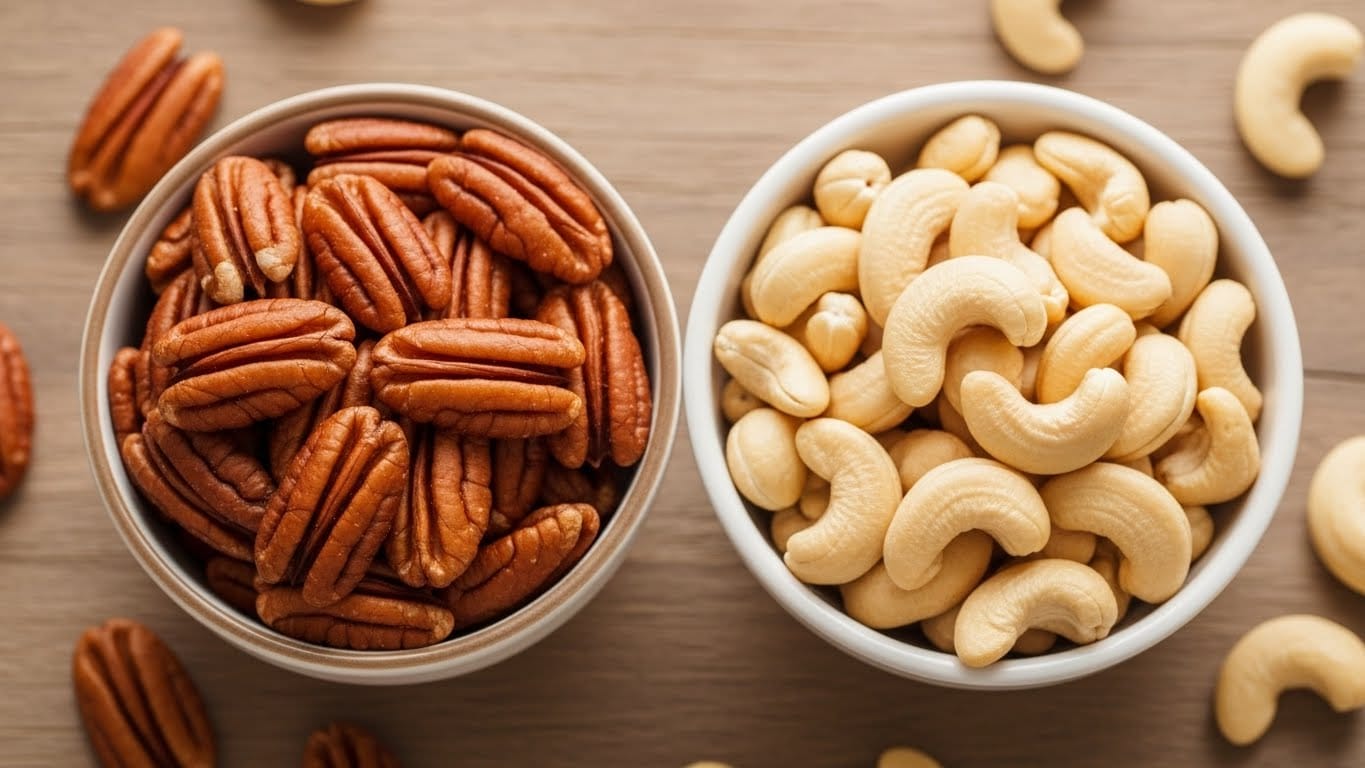
Pecans stand out because they provide healthy fats, fiber, and antioxidants. They are one of the top sources of monounsaturated fats, which support heart health. They also contain magnesium, manganese, and vitamin E. Compared with other nuts commonly eaten in the United States, these are richer in antioxidants and have a softer texture.
Health Benefits of Pecans
These are known for supporting heart health because of their healthy fat profile. They help reduce LDL cholesterol when eaten in place of saturated fats. Their antioxidant content supports cellular health. These also provide fiber, which helps with digestion and stable blood sugar. The combination of fats and fiber helps with appetite control, which may support weight management.
Types of Pecans Grown in the United States
Most that are sold in the United States come from improved varieties that are bred for size and flavor. Popular types include Desirable, Pawnee, Stuart, Cape Fear, and Sumner. Native pecans are smaller and have a stronger flavor. The United States is the top pecan producer, with Georgia, Texas, and New Mexico leading the harvest.
How Pecans Are Grown
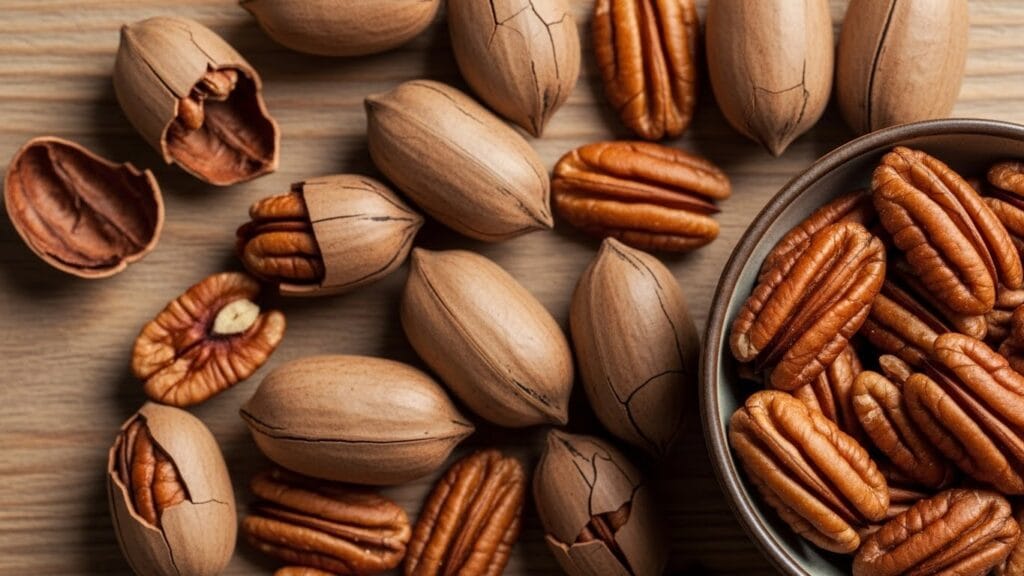
Pecan trees need warm weather, quality soil, and plenty of water. Orchards in the southern states produce most of the American crop. They are harvested in the fall when the husks open and the nuts drop to the ground. Farmers use mechanical shakers to collect them efficiently.
How to Choose Quality
When buying pecans, look for fresh color and a clean aroma. Fresh ones have a natural sheen and feel firm. Shelled pecans should not smell oily or stale. Raw ones work well for most recipes, but roasted ones offer a deeper flavor. Organic options are available, but conventional pecans are widely used because they store well and maintain quality.
How to Store
They stay fresh longer in cold conditions. Store them in the refrigerator for up to nine months or in the freezer for up to two years. Keep them in airtight containers to prevent moisture and odor absorption. At room temperature, they have a shorter shelf life because the oils can turn rancid.
How to Use Pecans in Everyday Meals
They work in breakfast bowls, oatmeal, yogurt, and smoothies. They can be chopped for salads or used as a topping for roasted vegetables. In cooking, they add a crunchy coating to chicken or fish. They are also popular in trail mixes and homemade snacks.
Popular Pecan Recipes in the United States
Pecan pie remains one of the most iconic American desserts, especially during the holiday season. Candied ones make an easy snack. Roasted ones are simple to make at home and work as a topping for vegetables or baked goods. Pecan butter offers a creamy alternative to peanut or almond butter.
Pecans for Special Diets
They fit well into low-carb and keto diets because they are low in net carbs and high in healthy fats. They are naturally gluten-free and work as a plant-based ingredient in many dishes. Because they are calorie-dense, portion control helps with weight management.
Potential Downsides and Precautions
They are high in calories, so portions matter if you track daily intake. People with tree nut allergies should avoid them. Flavored ones, such as candied or honey-coated versions, often contain added sugars, so reading labels is important.
Buying Pecans in the United States
They are widely available in grocery stores, bulk bins, and online. Buying in bulk can be cost-effective, especially if you plan to freeze them. Some shoppers prefer ordering directly from American growers to ensure freshness and support local farms.
Environmental and Sustainability Notes
Pecan orchards have long lifespans and can be managed sustainably. Water use varies by region, but many growers use improved irrigation systems to reduce waste. Buying from local growers can lower transportation impact.
Conclusion
They offer strong nutrition, great flavor, and plenty of ways to use them in everyday meals. With proper storage and thoughtful buying choices, they can be a reliable and healthy pantry staple for many US households.
FAQs
Are pecans good for heart health?
Yes. They contain monounsaturated fats and antioxidants that support healthy cholesterol levels.
How should I store pecans to maintain long-term freshness?
Keep pecans in the refrigerator or freezer in airtight containers to protect their natural oils and prevent rancidity.
Do pecans fit into a low-carb or keto diet?
Yes. Pecans are one of the lowest-carb nuts and work well in keto and low-carb eating plans.
What are the most common pecan varieties in the United States?
Popular varieties include Desirable, Pawnee, Stuart, and Cape Fear. These varieties are widely grown in southern US states.
Can you freeze pecans?
Yes. Pecans freeze well and can last up to two years when stored in airtight containers.