Janu Sirsasana (Head-to-Knee Pose): Benefits, Technique, Variations, and Safety Guide
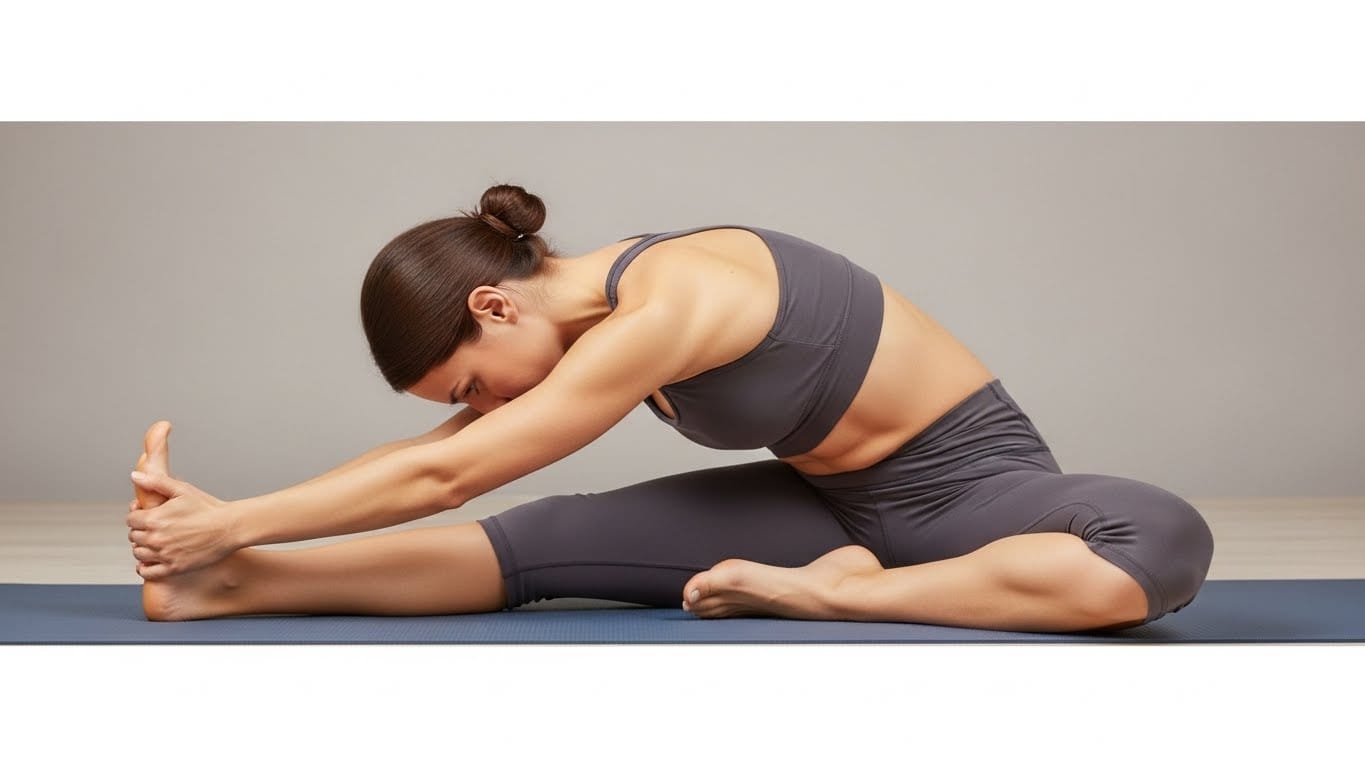
Janu Sirsasana, also known as Head-to-Knee Forward Bend, is a calming seated yoga pose that supports flexibility, spinal health, digestion, and nervous system relaxation. It is widely used in yoga therapy, restorative practices, and athletic recovery because it stretches the hamstrings, hips, and lower back while helping the mind relax.
This guide explains how to do Janu Sirsasana correctly, who it helps, who should avoid it, alignment cues, common mistakes, modifications, and expert safety tips so you can practice confidently.
What Is Janu Sirsasana?
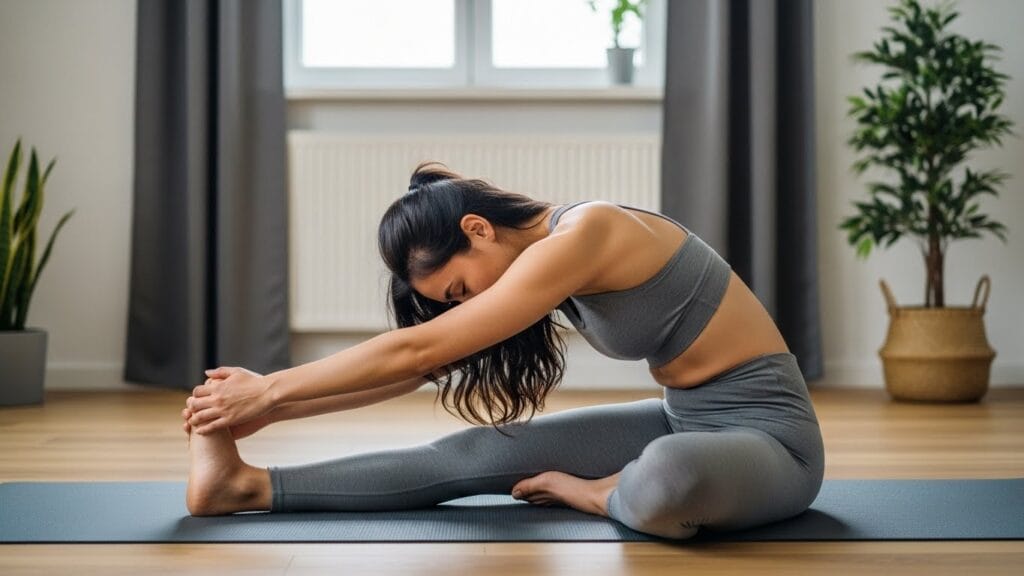
It is a seated forward bend performed with one leg extended and the other knee bent. The pose encourages a gentle hamstring stretch, lengthens the spine, and supports calm breathing. It is commonly used in yoga sequences for recovery, mobility, flexibility training, and stress relief.
Also known as:
Head-to-Knee Pose
Seated Head-to-Knee Forward Bend
How to Do Janu Sirsasana Step-by-Step
How to do Janu Sirsasana:
- Sit tall on the floor with your legs extended.
- Bend your right knee and place the right foot inside the left thigh.
- Flex the extended leg and keep the spine long.
- Hinge forward from your hips, not your lower back.
- Reach toward your foot or use a strap.
- Keep breathing slowly and avoid forcing the stretch.
- Hold for 30 to 60 seconds, then switch sides.
Benefits of Janu Sirsasana
Practicing Janu Sirsasana regularly may help improve flexibility, posture, and relaxation. It supports both physical and mental wellness and fits well into fitness, yoga, and recovery routines.
Physical Benefits
Supports hamstring flexibility
Helps release tight hips
Encourages spine mobility
Can ease stiffness in the lower back
Supports digestion by gentle abdominal compression
May improve circulation in the legs
Mental & Relaxation Benefits
Promotes nervous system relaxation
Helps reduce stress and tension
Encourages mindful breathing and grounding
Supports emotional balance and calm
Alignment Tips and Technique Cues
To practice safely and effectively, focus on alignment instead of trying to reach from your head to your knee.
Keep the spine long instead of rounding
Hinge from the hips, not the back
Relax your shoulders and neck
Keep the foot of the extended leg flexed
Engage thigh muscles gently
Breathe deeply and consistently
Small alignment corrections make a big difference in comfort and effectiveness.
Common Mistakes to Avoid
Rounding the back to “force” depth
Pulling aggressively on the foot
Placing pressure on the knee joint
Holding your breath
Ignoring pain signals
A good practice is never painful. Discomfort from stretching is normal, but sharp pain is not.
Variations and Modifications
For Beginners
Slightly bend the extended knee
Sit on a folded blanket for better hip alignment
For Tight Hamstrings
Use a strap around the foot
Place a bolster under the knee
For Tight Hips
Keep the bent knee supported with a cushion
Deeper Stretch Variation
Fold forward gradually
Stay soft and breathing, not forcing intensity
Props make this pose more accessible and safer for US practitioners of different fitness levels.
Who Should Avoid or Be Cautious
While generally safe, certain conditions require caution.
Avoid or consult a professional if you have:
Recent hamstring injury
Lower back injury or disc issues
Severe knee pain or recent knee surgery
Acute sciatica flare-ups
Abdominal surgery recovery
Pregnant individuals should avoid intense forward compression and work with a qualified instructor.
How Long Should You Hold Janu Sirsasana?
Beginners: 20 to 30 seconds
Intermediate to advanced: 45 to 90 seconds
Restorative practice: up to 2 minutes with props
Always prioritize slow breathing and calm stretching rather than pushing depth.
Who Is Janu Sirsasana Good For?
People with tight hamstrings
Athletes and runners
Individuals with desk jobs and sedentary routines
People dealing with stress or mental fatigue
Anyone looking for relaxation and flexibility support
FAQs
Is Janu Sirsasana good for beginners?
Yes. With proper alignment, gradual stretching, and props when needed, beginners can practice this pose safely.
What muscles does Janu Sirsasana stretch?
It primarily stretches the hamstrings, calves, lower back, and hips, and slightly compresses the abdomen to support digestion.
Can Janu Sirsasana reduce back pain?
It may help reduce mild stiffness, but it should be done carefully. People with back injuries should practice under guidance.
How often should you practice Janu Sirsasana?
Two to four times per week is ideal for flexibility and relaxation benefits.
What is the difference between Janu Sirsasana and Paschimottanasana?
Janu Sirsasana bends one leg while Paschimottanasana keeps both legs straight. The single-leg version is usually more accessible.
What are the benefits of Janu Sirsasana?
Janu Sirsasana helps improve hamstring and hip flexibility, supports better posture, reduces lower-back stiffness, and promotes relaxation by calming the nervous system. It may also gently support digestion and help release muscle tension, making it useful for both general wellness and athletic recovery.
What is the hardest pose in yoga?
There is no single hardest pose because difficulty depends on individual strength, flexibility, and experience. However, advanced poses like Scorpion Pose (Vrschikasana), Handstand variations, deep backbends, and complex arm balances are generally considered among the most challenging in yoga practice.
What is the English name for Janu Sirsasana?
The English name for Janu Sirsasana is Head-to-Knee Pose, also known as Head-to-Knee Forward Bend.
What is the difference between Janu Sirsasana A, B, and C?
The difference lies in foot placement and hip positioning, which change alignment and stretch intensity.
- Janu Sirsasana A: The foot rests against the inner thigh. This is the most common version.
- Janu Sirsasana B: The bent knee foot is placed closer to the perineum, with the hips slightly lifted before folding forward.
- Janu Sirsasana C: The toes press into the floor beside the thigh with the heel lifted, creating a deeper stretch in the knee and ankle.