When the Gym Door Feels Like a Barrier
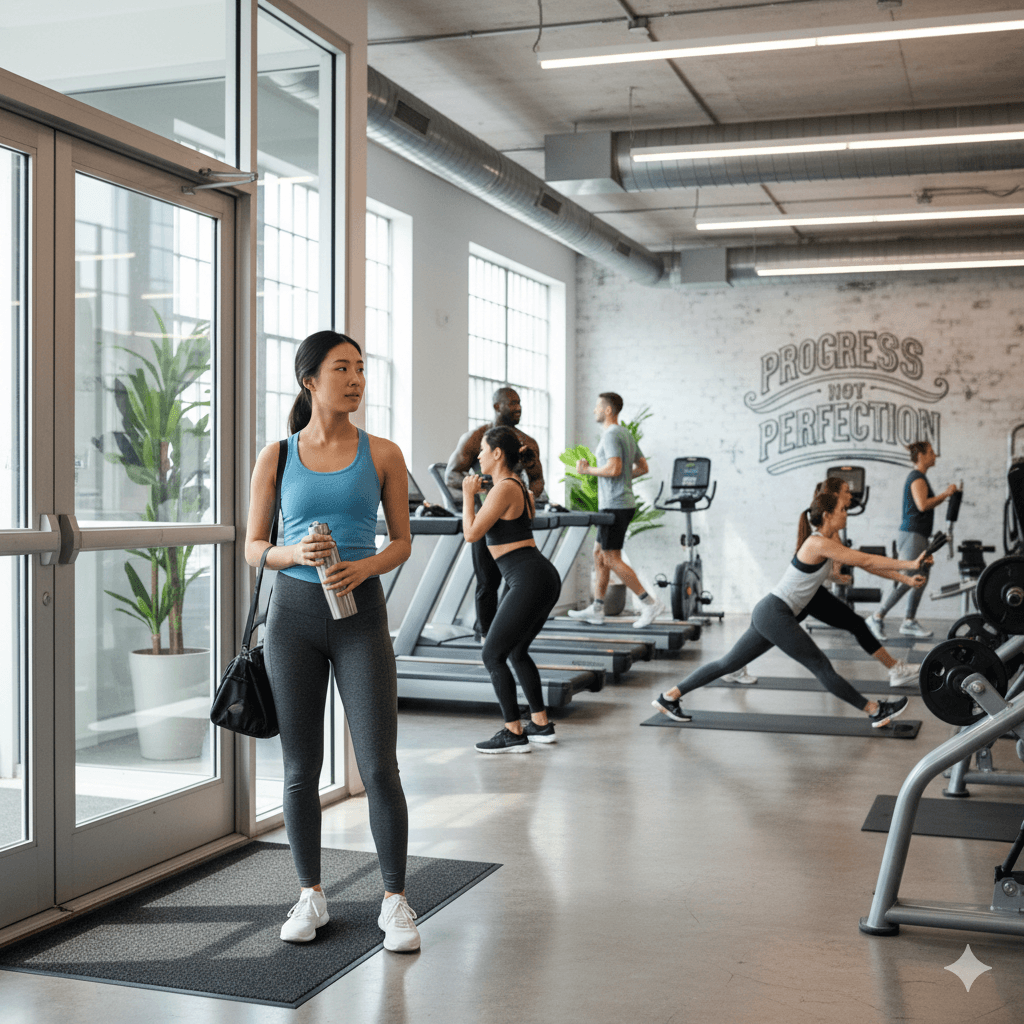
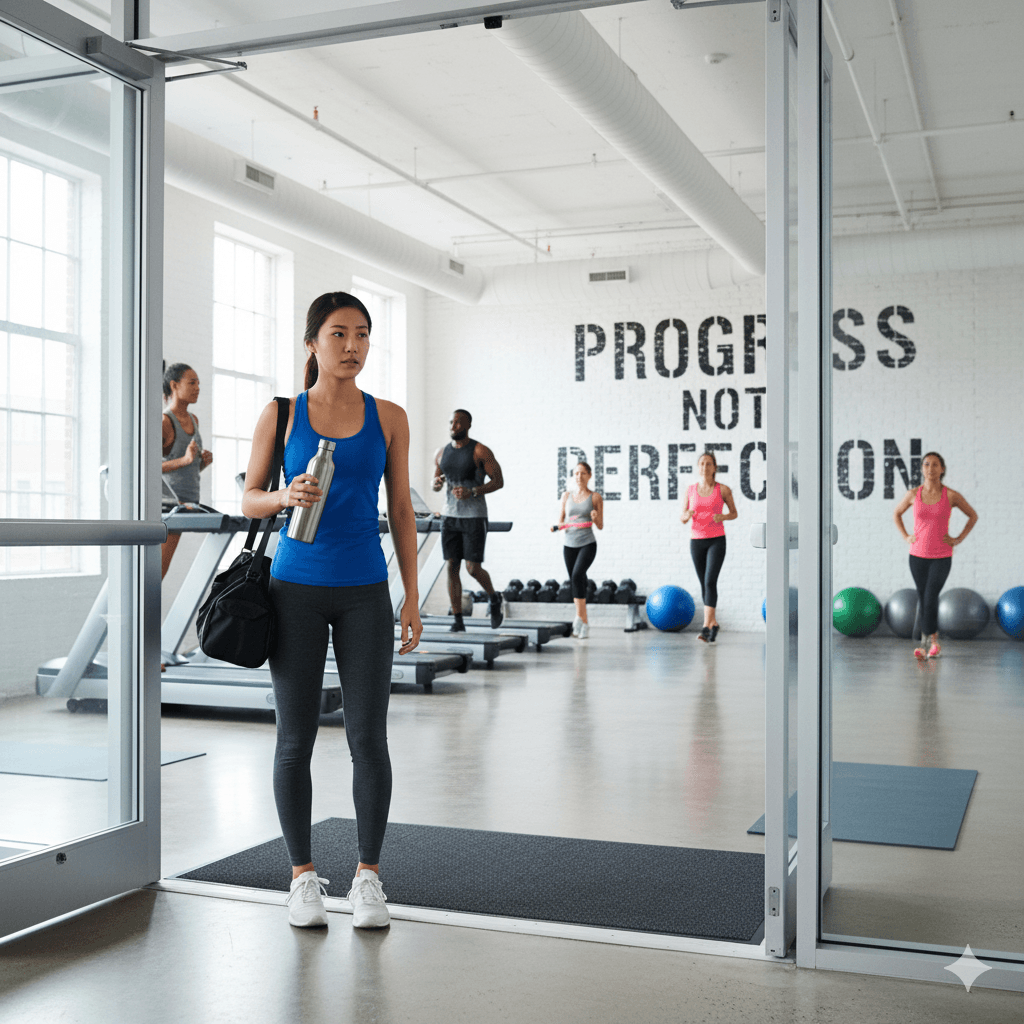
You sign up for a gym membership, drive to the facility, walk in—and then freeze. Your heart races. You glance at people lifting heavy weights, moving confidently between machines, and you worry: Do I look out of place? Am I doing this wrong?
That invisible pressure is real. It’s called gymtimidation. This is a mix of anxiety, self-consciousness, and fear of judgment. It stops many people from going to the gym or sticking to their routines.
Gymtimidation isn’t just an emotional hurdle. It’s a common, measurable barrier that can keep people from achieving their health and fitness goals.
How Widespread Is Gymtimidation in the U.S.?
Physical inactivity remains a national concern
- From 2017 to 2020, 25.3% of U.S. adults reported no leisure-time physical activity.
- The American College of Sports Medicine (ACSM) reports that 50% of adults don’t meet recommended activity levels, and 77% of high school students fall short as well.
Many Americans feel intimidated by gyms
- A national survey found that about half of Americans have experienced gymtimidation—intimidation from working out in front of others.
- Up to 50% of non-gym members say the idea of going to the gym is scary.
- Over 40% report avoiding exercise due to gym anxiety.
- One in five adults feels anxious about asking gym staff for help.
- More than half cite “judgmental culture” as a reason for avoiding certain gym spaces.
Dropout rates highlight the impact
- In structured exercise programs, 20–30% drop out within six months.
- A meta-analysis found dropout prevalence at roughly 22%, and resistance training programs often see 22–38% dropout over time.
Gymtimidation is a hidden contributor. Many people simply stop going—not because they don’t care, but because they feel uncomfortable or judged.
Why Gymtimidation Happens
Gym anxiety stems from a combination of psychological, environmental, and social factors.
Psychological and Emotional Factors
- Low self-efficacy: Doubting your ability to learn or perform exercises.
- Social comparison: Believing others are watching or judging.
- Perfectionism: Worrying about doing things “wrong.”
- Body image concerns: Feeling self-conscious about appearance, sweat, or clothing.
- Social anxiety traits: Environments with strangers and perceived scrutiny trigger discomfort.
Research supports this. The Social Exercise and Anxiety Measure (SEAM) identifies gym avoidance and low self-efficacy as key components of exercise anxiety.
Environmental Factors
- Unfamiliar layout or equipment.
- Crowded gyms during peak hours.
- Lack of staff guidance for beginners.
- Intimidating design (mirrors, loud music, heavy weight zones).
- Gender-skewed spaces (e.g., male-dominated free weight areas).
- Little privacy on open floors.
Social Factors
- Real or perceived judgment from others.
- Comparing yourself to advanced gym members.
- Feeling like you don’t belong.
- Lack of social support or workout partners.
These triggers often overlap. For example, being new to strength training (psychological), visiting a packed gym (environmental), and going alone (social) can intensify anxiety.
Signs You’re Experiencing Gymtimidation
- Delaying or skipping gym visits.
- Sticking to home workouts despite wanting more variety.
- Avoiding certain gym areas or peak hours.
- Feeling watched or judged while exercising.
- Cutting workouts short or letting memberships lapse.
- Feeling paralyzed by indecision (e.g., not knowing which machine to use).
- Focusing on appearance instead of training.
Recognizing these signs is the first step toward change.
How to Overcome Gymtimidation: A Tiered Strategy
Overcoming gym anxiety takes time, but it’s achievable with structured, evidence-based steps.
1. Mindset and Preparation
- Acknowledge the issue: Gymtimidation is common; you’re not alone.
- Start small: Set micro-goals like visiting the gym without working out.
- Visualize success: Mentally rehearse walking through the gym with confidence.
- Affirm your purpose: You’re there for your health, not to impress.
- Journal your experiences: Track fears, then write down what actually happened versus what you feared.
2. Exposure in Controlled Settings
- Go during off-peak hours (mid-morning or late afternoon).
- Book a guided orientation session.
- Ask a staff member for a quick walkthrough.
- Try small group classes or bring a friend for support.
3. Build Skills and Familiarity
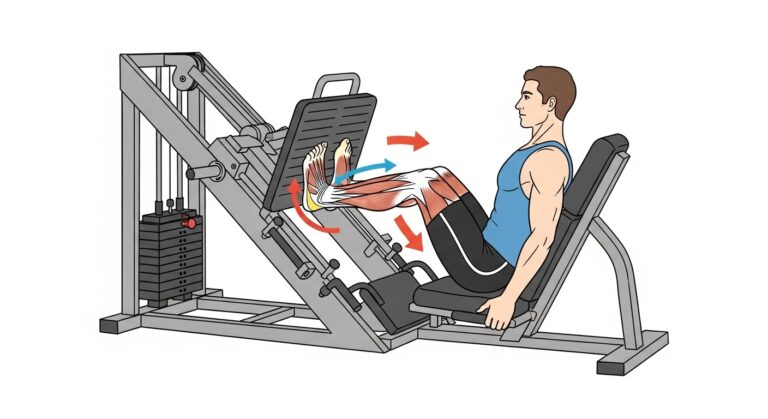
- Master 3–4 foundational exercises with light weights (e.g., squat, push-up, row, leg press).
- Use QR codes or app tutorials on machines.
- Schedule one or two introductory coaching sessions to reduce uncertainty.
- Wear clothing that feels comfortable and functional.
4. Create Accountability and Routine
- Schedule gym sessions like appointments.
- Track your progress in a simple log.
- Join a community, small class, or challenge to feel supported.
- Reward yourself for consistency (e.g., new workout gear, a relaxing night in).
5. Reflect and Adjust
- After each session, note what felt good, what didn’t, and what to tweak next time.
- Gradually increase exposure to busier times or new equipment.
- Revisit mindset strategies as needed.
A 30-Day Confidence Plan
| Week | Focus | Goal |
|---|---|---|
| Week 1 | Orientation | Visit the gym twice, walk through the layout, and observe. |
| Week 2 | Low-pressure sessions | Do 2 short workouts (20–30 min) during off-peak hours. |
| Week 3 | Skill building | Learn 2 machines + 2 free weight exercises with light loads. |
| Week 4 | Peak time exposure | Visit during a busier hour and try a new area. |
Small, structured steps build real confidence without overwhelming you.
Tailored Tips for Different Groups
- Women & LGBTQ+ gym-goers: Seek inclusive gyms with women-only spaces or staff trained in respectful behavior.
- Older adults & beginners: Look for beginner classes or smaller studios.
- People with health conditions: Ask staff for equipment modifications or alternative routines.
- Introverts: Use headphones, quieter times, or start with solo cardio before branching out.
Common Roadblocks and How to Handle Them
- “I can’t afford training.” Many gyms offer free orientation sessions. Use apps or reliable online resources.
- “I don’t know the machines.” Use QR codes, ask staff, or start with simple movements.
- “I don’t have time.” Even 20-minute sessions count. Focus on consistency, not duration.
- “I’m not in shape.” Everyone starts somewhere. Focus on your journey, not comparisons.
- “People will judge me.” Most gym-goers focus on their own workouts. Gymtimidation is common, not unique to you.
Why This Approach Works
- Exposure therapy principles show that gradual, repeated engagement lowers anxiety.
- Self-efficacy theory confirms that small wins build confidence.
- Habit research shows that early consistency predicts long-term success.
- Social support improves adherence and enjoyment.
Final Takeaway
Gymtimidation is real—but it’s not permanent. With structured steps, psychological tools, and consistent exposure, anyone can turn gym anxiety into gym confidence. The key is starting where you are, building skills gradually, and celebrating progress, not perfection.
References
- Centers for Disease Control and Prevention (CDC). Adult Inactivity Prevalence Maps 2017–2020. https://www.cdc.gov/physical-activity/php/data/inactivity-maps.html
- American College of Sports Medicine (ACSM). Access to Physical Activity: Issue Brief. 2025. https://acsm.org
- CBS News / OnePoll. Nearly Half of Americans Encounter Gymtimidation. 2022. https://www.cbsnews.com/minnesota/news/survey-nearly-half-of-americans-encounter-gymtimidation
- PureGym. Gym Fear and Intimidation Report. 2022. https://www.puregym.com/blog/gym-fear-intimidation-report
- Flex Fitness App. Gymtimidation Survey 2025. https://flexfitnessapp.com/blog/gymtimidation-survey
- The Manual. New Data Shows Why So Many People Are Avoiding the Gym. 2023. https://www.themanual.com/fitness/new-data-shows-why-so-many-people-are-avoiding-the-gym
- Sperandei S. Why Do People Start and Stop Exercising? Trends in Exercise Adherence. Clinics (Sao Paulo). 2014;69(9):594–598. doi:10.6061/clinics/2014(09)04. https://pmc.ncbi.nlm.nih.gov/articles/PMC4167177
- Maher JP, et al. Dropout from Exercise Interventions: Meta-analysis. Journal of Affective Disorders. 2021;282:964–975. https://www.sciencedirect.com/science/article/abs/pii/S0165032721000057
- Niven AG, et al. Social Anxiety in the Gym: Development and Validation of the Social Exercise and Anxiety Measure (SEAM). Frontiers in Psychology. 2013;4:680. https://pmc.ncbi.nlm.nih.gov/articles/PMC3827729
- Ekkekakis P, Zenko Z. Escape from Cognition: A Dual-Mode Theory of Affective Responses to Exercise. Psychology of Sport and Exercise. 2016;22:23–31.
- ACSM’s Health & Fitness Journal. Early Dropout Predictors in Exercise Programs. 2022. https://journals.lww.com/acsm-tj
- Bandura A. Self-Efficacy: Toward a Unifying Theory of Behavioral Change. Psychological Review. 1977;84(2):191–215.
FAQs
What is gymtimidation?
Gymtimidation refers to the fear, anxiety, or self-consciousness people feel when working out in a gym setting. It often stems from concerns about being judged, not knowing how to use equipment, comparing oneself to others, or feeling out of place. This anxiety can lead people to avoid certain areas of the gym, stick to familiar equipment, or stop going altogether. Recognizing gymtimidation is the first step toward overcoming it and building lasting exercise habits.
Is gymtimidation a real thing?
Yes, gymtimidation is real and supported by surveys and psychological research. Studies and national polls show that about half of Americans have experienced gym anxiety at some point. Factors like body image concerns, lack of confidence, unfamiliar equipment, and social comparison all contribute. It’s a legitimate psychological barrier, not just “nerves,” and addressing it with structured strategies can significantly improve gym confidence and consistency.
What is the 3-3-3 rule gym?
The 3-3-3 rule is a beginner-friendly workout framework often used to build consistency without overwhelming new gym-goers. It typically means:
- 3 workouts per week
- 3 exercises per workout
- 3 sets of each exercise
This simple structure focuses on quality, not quantity. It allows beginners to establish a routine, practice proper form, and build confidence while preventing burnout or decision fatigue. Over time, intensity or volume can be increased as skills and comfort grow.
What is proper gym etiquette?
Proper gym etiquette ensures a safe, respectful, and comfortable environment for everyone. Key points include:
- Wipe down equipment after each use to maintain hygiene.
- Re-rack weights and return accessories when finished.
- Avoid hogging machines—limit rest between sets if others are waiting.
- Respect personal space and avoid unsolicited advice.
- Use headphones to keep noise levels down.
- Follow time limits on cardio machines during busy hours.
- Dress appropriately for safety and comfort.
- Be mindful of filming; get permission before recording others in shared spaces.
Good etiquette helps reduce anxiety for newcomers and creates a positive culture that benefits everyone.