Healthy Diet on a Budget: Nutritious Eating for Less
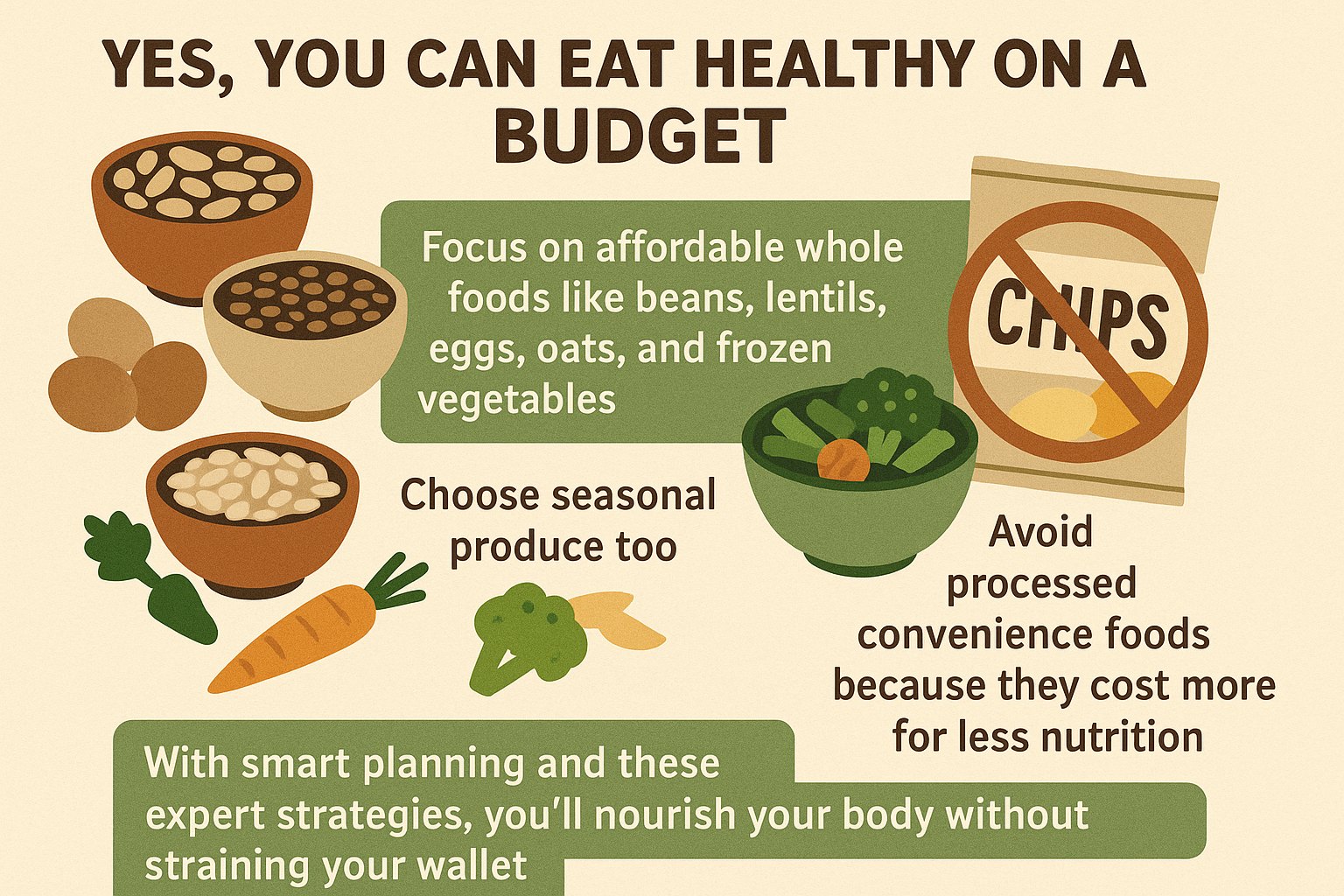
Yes, you can eat healthy on a budget. Focus on affordable whole foods like beans, lentils, eggs, oats, and frozen vegetables. Choose seasonal produce too. Avoid processed convenience foods because they cost more for less nutrition. With smart planning and these expert strategies, you’ll nourish your body without straining your wallet.
Why Eating Healthy on a Budget Matters
Nutritious eating helps you:
Save money long-term (fewer medical bills)
Have more energy (less reliance on expensive caffeine)
Maintain a healthy weight (avoid costly diet programs)
Reduce food waste (stretching ingredients further)
Budget Nutrition Staples Comparison
| Food | Cost Per Serving | Key Nutrients |
|---|---|---|
| Eggs | $0.20 | Fiber, magnesium, and iron |
| Oats | $0.10 | Fiber, magnesium, iron |
| Canned Tuna | $0.50 | Omega-3s, protein |
| Frozen Spinach | $0.30 | Iron, vitamin K, folate |
| Dry Lentils | $0.15 | Protein, fiber, folate |
Pro Tip: Buy store brands—they’re 25-30% cheaper with identical nutrition!

How to Have a Healthy Diet on a Budget
1. Master Budget Meal Planning
- Plan 3-4 “base meals” weekly (soups, stir-fries, grain bowls)
- Repurpose leftovers (Sunday’s roasted chicken → Monday’s soup → Tuesday’s tacos)
- Shop sales cycles (Most stores discount meats on Wednesdays, produce on Sundays)
2. Healthy Diet Shopping List on a Budget
Always Buy These Cheap Staples:
- Proteins: Eggs, canned tuna, chicken thighs, dry beans
- Carbs: Oats, brown rice, potatoes, whole wheat pasta
- Veggies: Carrots, cabbage, frozen mixed vegetables
- Fats: Store-brand olive oil, peanut butter, sunflower seeds
Avoid These Money Wasters:
- Pre-cut fruits/veggies
- Single-serve snacks
- Name-brand health foods
What to Eat Healthy Diet on a Budget
5 Nutrient-Packed $2 Meals
- Bean & Rice Bowl (Black beans, rice, salsa, avocado)
- Egg Scramble (Eggs, frozen spinach, sweet potato)
- Lentil Soup (Lentils, carrots, onion, spices)
- Tuna Salad (Canned tuna, Greek yogurt, celery, whole wheat bread)
- Oatmeal Power Bowl (Oats, peanut butter, banana, chia seeds)
Can You Eat Healthy on a Budget?
Yes—and here’s proof:
| Meal | Cost | Nutrition Score |
|---|---|---|
| Fast Food Burger Meal | $8 | Low protein, high sodium |
| Homemade Lentil Stew | $1.50 | High protein/fiber, low sodium |
Key: Cooking at home saves $3-5 per meal versus takeout.
Ways to Eat Healthy on a Budget
10 Expert Hacks
- Buy in bulk (rice, beans, spices)
- Embrace frozen produce (just as nutritious, often cheaper)
- Use every part (carrot tops → pesto, chicken bones → broth)
- Grow herbs/sprouts (cheaper than buying fresh)
- Shop ethnic markets (better prices on spices/grains)
How to Have a Healthy Diet When You’re Poor
The $25/Week Survival Plan
- Breakfast: Oatmeal + peanut butter ($0.50/day)
- Lunch: Bean burritos ($0.75/day)
- Dinner: Vegetable soup + eggs ($1.00/day)
- Snacks: Popcorn, bananas ($0.25/day)
Total: $17.50/week (add $7.50 for milk/fruit buffer)
What Is the Cheapest Diet Plan to Lose Weight?
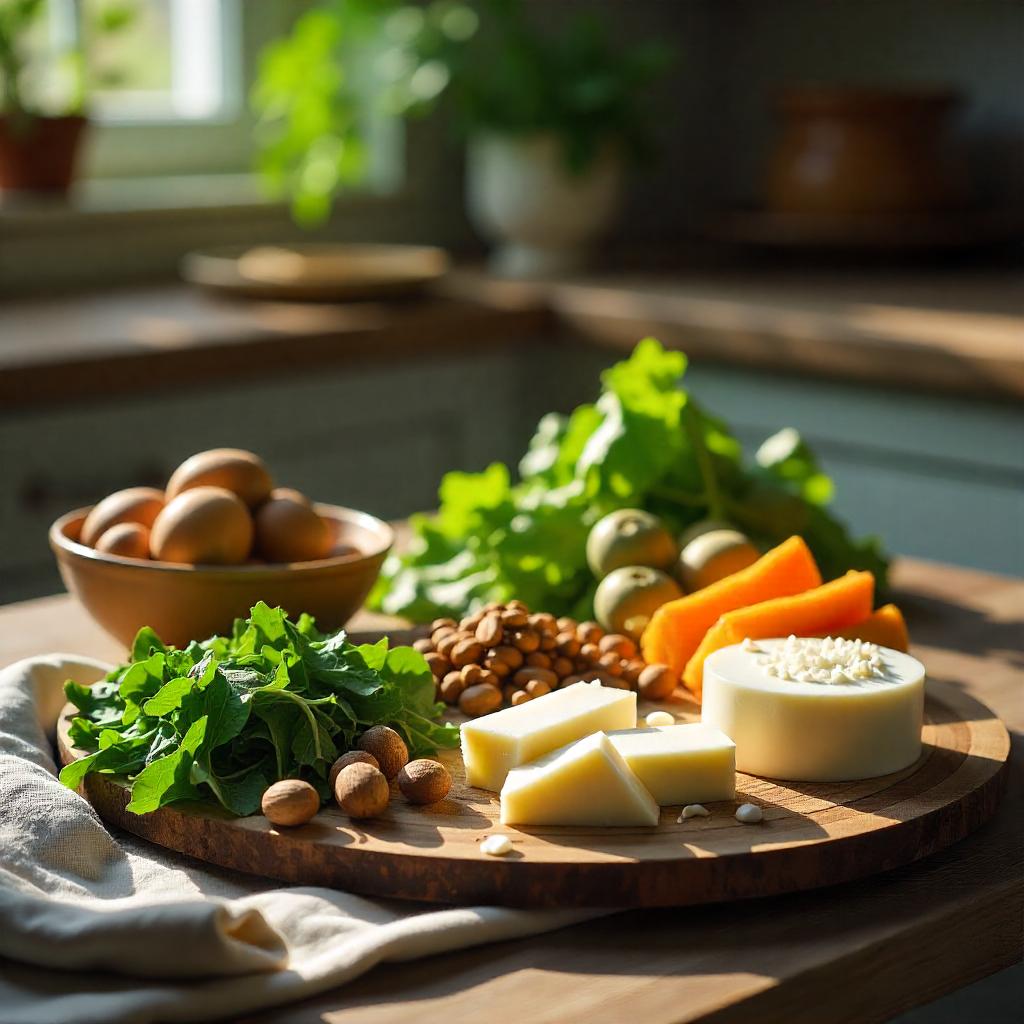
The Bean & Greens Plan:
- Base meals: Beans/lentils + leafy greens + cheap grains
- Why it works: High protein/fiber keeps you full on fewer calories
- Sample day:
- Breakfast: Scrambled eggs with spinach
- Lunch: Lentil soup with cabbage
- Dinner: Black bean tacos on corn tortillas
Cost: ~$30/week
What’s the 80/20 Rule Diet?
- 80% whole, budget-friendly foods (oats, eggs, frozen veggies)
- 20% flexibility (condiments, occasional treats)
Example: Plain Greek yogurt (80%) + honey (20%)
What Is a Poor Man’s Healthy Diet?
Historical wisdom still works:
- Protein: Eggs, beans, canned fish
- Carbs: Potatoes, rice, homemade bread
- Veggies: Cabbage, carrots, onions
- Fats: Lard (yes, it’s healthy in moderation!), peanut butter
Depression-Era Meal:
- Potato pancakes with applesauce
- Navy bean soup with ham bone
- Cornbread with molasses
Healthy Diet On A Budget Doesn’t Cost A Fortune
Eating well shouldn’t cost a fortune—start smart today!
Conclusion about a Healthy Diet on a Budget
Eating healthy doesn’t have to be expensive. By focusing on affordable, nutrient-dense foods like seasonal vegetables, fruits, legumes, eggs, whole grains, and canned or frozen options, you can maintain a balanced diet without overspending.
Planning meals, buying in bulk, and minimizing processed foods can further stretch your budget while maximizing nutrition. A budget-friendly healthy diet supports weight management, energy, immunity, and long-term health, proving that eating well is achievable for everyone with smart choices and planning.
FAQs about a Healthy Diet on a Budget
What is the cheapest way to eat healthy?
- Focus on whole, unprocessed foods like rice, beans, lentils, seasonal vegetables, and eggs.
- Buy frozen or canned vegetables for affordability.
- Plan meals to reduce food waste.
- Purchase bulk grains, legumes, and nuts.
- Limit packaged and processed foods.
What is a healthy food to eat on a low budget?
Affordable, nutrient-dense options include:
- Oats, brown rice, quinoa
- Eggs and lentils
- Seasonal fruits and vegetables
- Canned beans and tuna
- Peanut butter or other legumes
How do I eat healthy if I’m poor?
- Plan simple meals around cheap proteins and grains.
- Buy seasonal or frozen vegetables.
- Cook at home instead of eating out.
- Use spices and herbs to add flavor without extra cost.
- Limit snacks and sugary beverages.
What is the 3-3-3 rule diet?
The 3-3-3 rule generally refers to 3 meals, 3 snacks, and eating every 3 hours. This helps regulate appetite, prevent overeating, and maintain energy levels throughout the day.
How can I lose 5 kg in 7 days?
Rapid weight loss of 5 kg in a week is not generally safe. Extreme calorie restriction may cause water and muscle loss, not fat loss. Safer approaches include moderate calorie deficit, balanced meals, increased activity, and intermittent fasting.
What is the 5-4-3-2-1 rule for groceries?
A strategy for budget-friendly grocery shopping:
- 5 items from vegetables
- 4 from fruits
- 3 from proteins
- 2 from grains
- 1 from dairy or healthy fat sources
It ensures a balanced diet while controlling costs.
What is a realistic monthly grocery budget?
For a single adult in the US, a realistic grocery budget ranges from $200–$400 per month, depending on location, dietary needs, and whether you buy organic or specialty items. Planning meals and shopping with a list can reduce costs.
What does the 80/20 food rule look like?
The 80/20 rule means eating healthy, whole foods 80% of the time and allowing indulgent or less healthy foods 20% of the time. This creates balance and sustainability in diet without feeling restricted.
What is the 6 to 1 method?
The 6 to 1 method refers to eating clean for six days and having one day of flexible eating. It’s a structured approach to maintain a healthy diet while allowing occasional indulgences.
Can you lose weight by eating 6 meals a day?
Yes, if the total calorie intake remains below your maintenance level. Eating 6 smaller meals can help control hunger and stabilize blood sugar, but portion size and food quality are key.
What is the 321 shopping rule?
The 321 rule is a budgeting guideline: 3 types of proteins, 2 types of grains, 1 type of healthy fat per shopping trip, helping maintain variety, nutrition, and cost control.
What is the 3-3-2-2-1 method?
A grocery planning method to simplify shopping and ensure balance:
- 3 vegetables
- 3 fruits
- 2 proteins
- 2 grains
- 1 healthy fat
It helps create nutritionally balanced meals while minimizing overspending.