Healthy Diet Plans for Weight Loss: Science-Backed Strategies
The best healthy diet plans for weight loss include whole foods that are rich in nutrients. They also focus on portion control and sustainable habits. These plans emphasize protein, fiber, and healthy fats. This helps burn fat while keeping energy levels high. Forget fad diets; these are proven methods that deliver real, lasting results.
Why These Diet Plans Work
Effective weight loss nutrition:
Balances blood sugar (reduces cravings)
Preserves muscle (high-protein diets prevent metabolic slowdown)
Boosts metabolism (certain foods increase calorie burn)
Improves gut health (fiber feeds good bacteria linked to weight)
The Weight Loss Plate Formula
| Food Group | Portion | Why It Helps |
|---|---|---|
| Protein | 30-40% | Increases satiety, burns more calories during digestion |
| Vegetables | 40-50% | Low-calorie, high-fiber volume foods |
| Healthy Fats | 20-30% | Regulates hormones, reduces inflammation |
| Smart Carbs | 10-20% | Fuels activity without spiking insulin |
Pro Tip: Eat protein first at meals—it reduces overall calorie intake by 30-40%.
Healthy Diet Plan for Weight Loss and Glowing Skin
Foods that slim AND beautify:
- Fatty fish (salmon): Omega-3s reduce inflammation + hydrate skin
- Berries: Antioxidants fight wrinkles + low glycemic
- Avocados: Healthy fats plump skin + boost fat burning
- Green tea: EGCG accelerates metabolism + clears complexion
Sample Day:
- Breakfast: Smoked salmon + avocado on whole grain toast
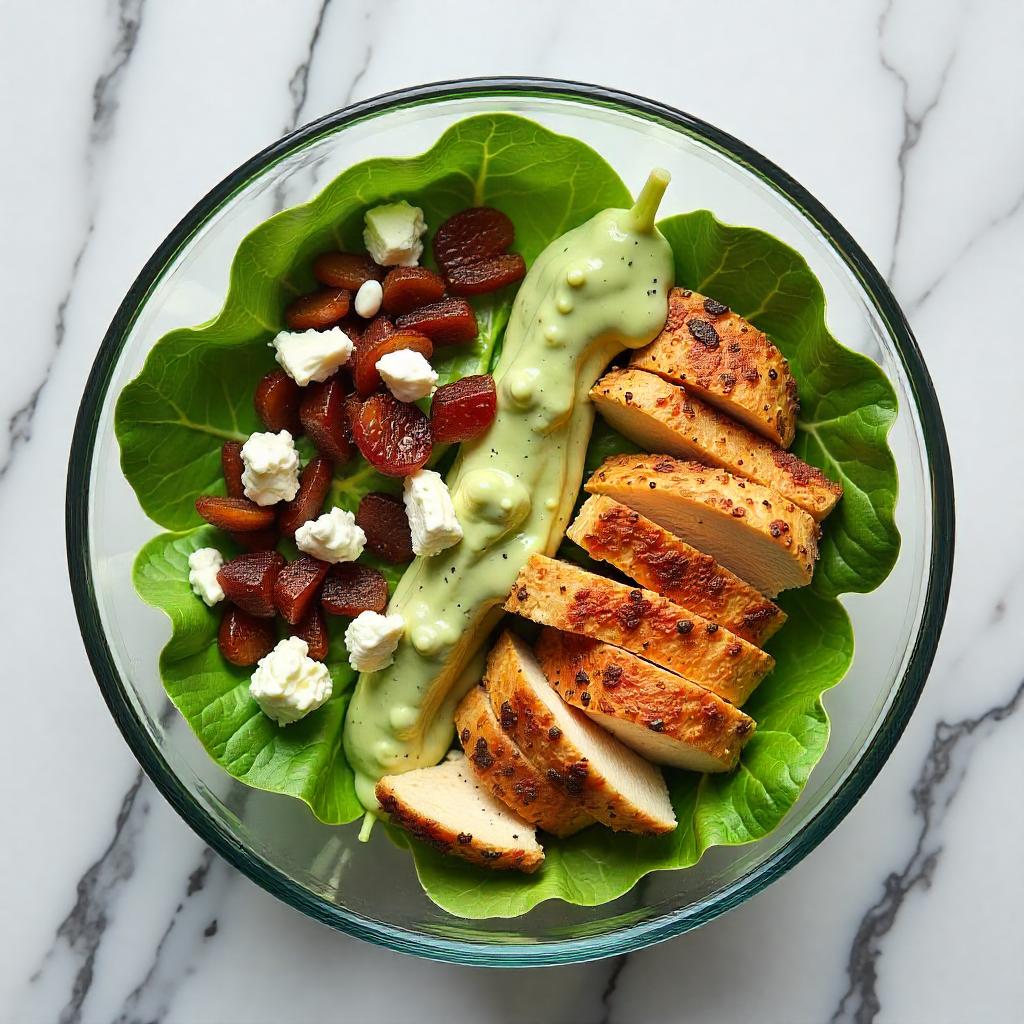
- Lunch: Spinach salad with grilled chicken + olive oil
- Dinner: Baked cod + roasted Brussels sprouts
Healthy Diet Plan for Weight Loss: Vegetarian
Plant-powered fat loss:
| Nutrient | Best Sources |
|---|---|
| Protein | Lentils, tofu, Greek yogurt, quinoa |
| Iron | Spinach, chickpeas, fortified cereals |
| Omega-3s | Chia seeds, walnuts, flaxseeds |
7-Day Vegetarian Plan (1,500 cal/day)
- Day 1: Tofu scramble + sweet potato hash
- Day 2: Chickpea curry + brown rice
- Day 3: Lentil soup + whole grain bread
(Full plan available as downloadable PDF—comment “VEG PLAN” below!)
Healthy Diet Plans for Weight Loss Free
- MyPlate.gov (USDA-approved templates)
- Eatwell Guide (UK NHS free resources)
- Budget Bytes (Cheap healthy meal plans)
Free Sample Day:
- Breakfast: Oatmeal + banana + peanut butter
- Lunch: Canned tuna + mixed greens + olive oil
- Dinner: Chicken thighs + frozen veggies
What Diet Plan Is Best for Weight Loss?
Top 3 Evidence-Based Plans:
- Mediterranean Diet (-9 lbs in 6 months)
- High-Protein Diet (Preserves muscle best)
- Intermittent Fasting (16:8 method is easiest)
Comparison Table:
| Diet Type | Avg Monthly Loss | Key Benefit |
|---|---|---|
| Mediterranean | 4-8 lbs | Heart health |
| Keto | 6-10 lbs | Rapid initial loss |
| Plant-Based | 3-7 lbs | Longevity benefits |
What Is the 30 30 30 Rule for Weight Loss?
The viral TikTok trend with science-backed roots:
- 30g protein within 30 mins of waking
- 30-minute walk after breakfast
- 30 oz of water before meals
Why It Works:
- Protein prevents blood sugar spikes
- Walking improves insulin sensitivity
- Hydration reduces false hunger
What Is the Best Diet for Someone Trying to Lose Weight?
Personalized Approach Checklist:
Sustainable (Can you do this for life?)
Nutrient-dense (Not just calorie restriction)
Enjoyable (Foods you actually like)
Flexible (Allows occasional treats)
Best Starter Plan:
- 3 meals + 1 snack daily
- 30g protein/meal
- 5+ vegetable servings/day
- 20% calories from healthy fats
Conclusion about Healthy Diet Plans for Weight Loss
Effective weight loss relies on a balanced, nutrient-rich diet combined with portion control and consistent physical activity. Diet plans that focus on whole foods, lean proteins, vegetables, fruits, healthy fats, and limited processed sugars promote sustainable fat loss while supporting overall health.
Approaches like Mediterranean, DASH, low-carb, intermittent fasting, or Whole30 can be effective when tailored to your lifestyle. Rapid, extreme diets may offer short-term results but are often unsustainable and can be harmful. Long-term success comes from consistent healthy eating habits, mindful meal planning, and regular exercise, ensuring both weight management and overall well-being.
FAQs about Healthy Diet Plans for Weight Loss
What is the healthiest diet to follow for weight loss?
A balanced, calorie-controlled diet rich in whole foods is healthiest for weight loss. Focus on:
- Lean proteins (chicken, fish, eggs, tofu)
- Vegetables and fruits for fiber and nutrients
- Whole grains in moderation (quinoa, oats, brown rice)
- Healthy fats (avocado, nuts, olive oil)
- Minimizing added sugars, refined carbs, and processed foods
Which diet plan is best for weight loss?
Effective weight loss plans include:
- Mediterranean diet – emphasizes whole foods and healthy fats
- DASH diet – focuses on blood pressure and nutrient balance
- Low-carb or keto diet – restricts carbs to promote fat loss
- Intermittent fasting – time-restricted eating to reduce calories
The best plan is sustainable, balanced, and fits your lifestyle.
What is a healthy meal plan to lose weight?
A sample day could include:
- Breakfast: Scrambled eggs with spinach and tomatoes
- Lunch: Grilled chicken salad with mixed greens and olive oil
- Snack: Greek yogurt with berries or a handful of nuts
- Dinner: Baked salmon with steamed vegetables and quinoa
- Drink plenty of water and avoid sugary beverages.
What is the 30/30/30 rule for weight loss?
The 30/30/30 rule generally refers to: 30 minutes of exercise, 30 grams of protein per meal, and a 30% reduction in calories or effort increase. It’s a guideline for balancing diet, activity, and nutrition for sustainable weight loss.
Can I lose 10 kg in 30 days?
Losing 10 kg in 30 days is extremely aggressive and not recommended. Safe weight loss is 0.5–1 kg per week. Rapid weight loss is often water and muscle, not fat, and can be harmful.
Can I eat eggs on the Whole30 diet?
Yes, eggs are allowed on Whole30. They are a staple protein source and can be eaten daily, prepared in a variety of ways.
Can I eat a banana on Whole30?
Yes, bananas are allowed on Whole30. All fruits are permitted in moderation, but focus on low-sugar fruits for weight management if desired.
How many eggs should I eat a day for weight loss?
1–3 eggs per day is generally safe and can support satiety and protein needs. Balance with other protein sources and vegetables.
Is avocado allowed on Whole30?
Yes, avocado is allowed on Whole30. It’s a healthy fat that supports satiety and nutrient absorption.
Is rice allowed in Whole30?
No, rice and other grains are not allowed on Whole30. The diet focuses on vegetables, fruits, proteins, and healthy fats.
Why do some doctors say not to eat avocados?
Some caution against avocados in cases of allergy, high-fat diets without calorie control, or digestive issues. For most people, avocados are heart-healthy and safe in moderation.
What fruit is ok on Whole30?
Most fruits are allowed on Whole30, including:
- Apples, oranges, and berries
- Bananas and mangoes
- Grapes, peaches, and pears
Focus on whole, unprocessed fruits and avoid added sugars or dried fruit with sweeteners.