Red Light Therapy: Benefits, Uses & Risks
Overview
Red light therapy (RLT) is a non-invasive treatment that uses low-wavelength red or near-infrared light to promote healing, reduce inflammation, and improve skin health. It’s also called photobiomodulation (PBM) or low-level laser therapy (LLLT).
How Does Red Light Therapy Work?
Red light therapy devices use special wavelengths of light. These wavelengths are usually between 630 and 850 nanometers. They go through the skin and help produce energy in cells, known as ATP. This process may:
- Boost collagen production (for firmer, younger-looking skin).
- Reduce inflammation (helping with joint pain and muscle recovery).
- Enhance wound healing and tissue repair.
- Improve circulation.
Unlike UV light, red light doesn’t damage the skin.
Potential Benefits of RLT
Research suggests RLT may help with:
1. Skin Health & Anti-Aging
- Reduces wrinkles, fine lines, and sun damage.
- Improves acne, rosacea, and psoriasis.
- Increases collagen and elastin production.
2. Pain Relief & Inflammation
- Eases arthritis and joint pain.
- Speeds up muscle recovery after workouts.
- It may help with chronic conditions like fibromyalgia.
3. Hair Growth
- Stimulates hair follicles in people with androgenetic alopecia (pattern baldness).
4. Wound Healing & Scar Reduction
- Promotes faster healing of cuts, burns, and surgical scars.
How Is RLT Performed?
- In-office treatments: Done at dermatology or wellness clinics (10–20 minutes per session).
- At-home devices: LED masks, handheld panels, or full-body pods (requires consistent use).
Most people need 2–5 sessions per week for several weeks to see results.
Risks & Side Effects
Red light therapy is generally safe with minimal risks:
- Mild eye strain (wear protective goggles).
- Temporary redness or sensitivity (rare).
- Not recommended for people taking photosensitizing medications.
Who Should Avoid Red Light Therapy?
- Pregnant women (limited research).
- People with active skin cancer or suspicious lesions.
- Those with epilepsy (flashing lights may trigger seizures).
Red light therapy is also being promoted for:
- Depression & Seasonal Affective Disorder (SAD) – May boost mood by stimulating serotonin pathways.
- Brain Health & Cognitive Function – Early research suggests it could help with dementia, TBI, and stroke recovery.
- Thyroid Support – Some claim it improves Hashimoto’s symptoms (limited evidence).
- Weight Loss & Cellulite Reduction – Often marketed for fat loss, but scientific support is weak.
- Eye Health – Experimental use for macular degeneration and dry eye (requires caution).
- Sleep Disorders – This may help regulate circadian rhythm by influencing melatonin.
Note: Many claims lack strong clinical proof—always consult a doctor before use.
The Bottom Line
It shows promise for skin rejuvenation, pain relief, and healing, but more research is needed. Always consult a healthcare provider before starting treatment, especially if you have an underlying health condition.
What Does Red Light Therapy Actually Do?
RLT uses low-wavelength red or near-infrared light to penetrate the skin and stimulate cellular energy (ATP production). This process may:
Boost collagen & elastin → Improves skin texture, reduces wrinkles.
Reduce inflammation → Helps with joint pain, muscle recovery, and conditions like arthritis.
Enhance circulation & healing → Speeds up wound repair and reduces scarring.
Support hair growth → Stimulates follicles in cases of pattern baldness.
Note: While research shows promise for skin and pain relief, some claims (like weight loss or thyroid support) lack strong evidence.
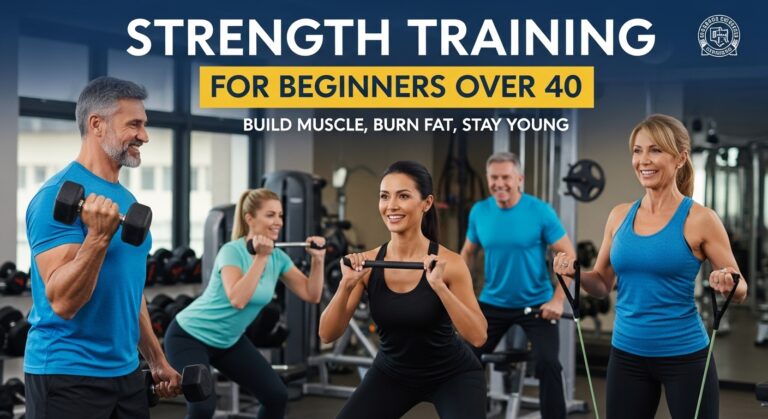
What Is Red Light Therapy at the Gym?
Many gyms and fitness studios offer red light therapy beds or panels as a post-workout recovery tool. Benefits promoted include:
Faster muscle recovery – Reduces soreness and inflammation after exercise.
Improved performance – May enhance endurance by supporting cellular energy.
Joint pain relief – Helps with stiffness from intense training.
How It Works: You stand or lie near the device for 5–20 minutes post-workout. Unlike tanning beds, RLT doesn’t use UV rays and is non-invasive.
Caveat: While athletes swear by it, more studies are needed to confirm long-term fitness benefits.
Does It Work for Weight Loss?
Some clinics market RLT for “fat reduction,” but the evidence is weak. It may temporarily reduce cellulite by improving circulation, but it’s not a proven weight-loss solution.