Weighted Vest for Walking: The Ultimate Fitness Upgrade
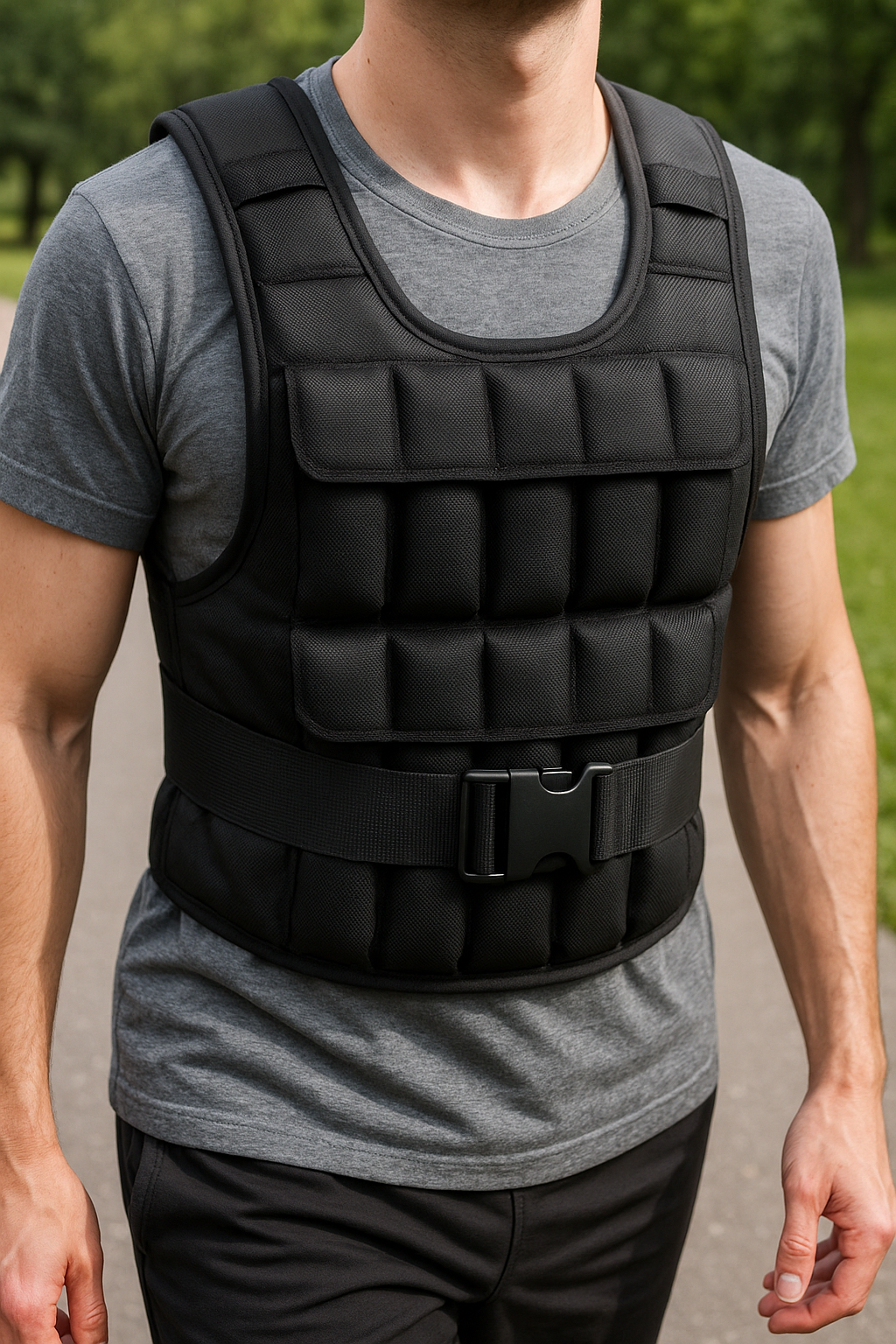
A weighted vest for walking adds extra weight to your stride, helping you build strength and endurance. This can increase calorie burn by 10-20%. It also helps build bone density and improve heart health. You can enjoy these benefits without changing your routine. Whether you’re a fitness newbie or athlete, it’s one of the simplest ways to supercharge results.
Weighted Vest for Walking Benefits
Burns more calories (Study: 12% increase at 10% body weight)
Builds bone density (Critical for women over 40)
Boosts metabolism (EPOC effect lasts hours post-walk)
Improves posture (Traps core to counterbalance weight)
Prepares for hiking (Mimics backpack weight)
Calorie Burn Comparison (30-min walk)
| Vest Weight | Calories Burned (150-lb person) |
|---|---|
| 0 lbs | 150 |
| 10 lbs | 165-180 |
| 20 lbs | 180-210 |
Weighted Vest for Walking Women
Key Features for Female Users:
- Slimmer design (Fits torso without bulk)
- Adjustable straps (For petite frames)
- Breathable fabric (Prevents overheating)
Top Pick: Hyperwear Hyper Vest PRO (Women’s fit, 4-20lbs)
Weighted Vest for Walking: How Heavy?
Weight Guidelines
| Fitness Level | Recommended Weight |
|---|---|
| Beginner | 5-10% of body weight |
| Intermediate | 10-15% |
| Advanced | 15-20% |
Example: 150-lb person → Start with 8-15 lbs
Warning: Never exceed 20% body weight to avoid joint strain.
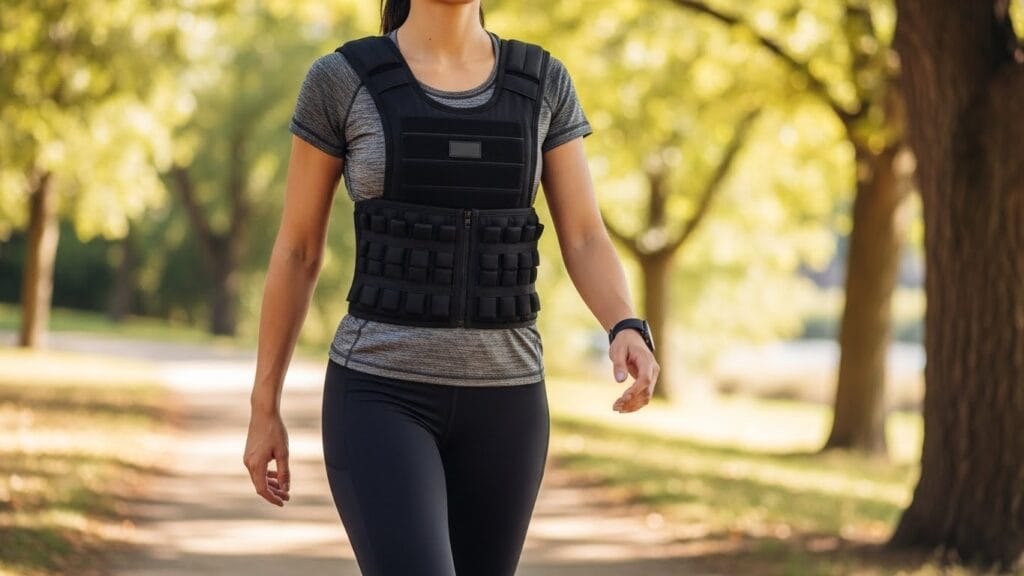
Is Wearing a Weighted Vest Good for Walking?
Yes, when used correctly, a weighted vest can provide benefits for walking. It helps burn more calories, build endurance, and strengthen bones. However, it is not for everyone.
Benefits of Weighted Vest Walking
Burns 10–20% more calories (Study: Journal of Sports Science)
Improves bone density (Critical for osteoporosis prevention)
Increases cardiovascular challenge (Elevates heart rate without speed changes)
Prepares for hiking/rucking (Simulates backpack weight)
Who Should Avoid It?
People with joint issues (knees/hips)
Those with high blood pressure (added strain)
Beginners (start unweighted for 2+ weeks first)
Pro Tip: Start with 5% of your body weight (e.g., 8 lbs for a 160-lb person) and limit sessions to 20–30 minutes initially.
Verdict: A smart upgrade for walkers seeking greater fitness gains—if introduced gradually and with proper form.
Weight Loss
30-Day Walking Plan (With Vest)
| Week | Duration | Weight | Frequency |
|---|---|---|---|
| 1 | 20 mins | 5 lbs | 3x/week |
| 2 | 30 mins | 8 lbs | 4x/week |
| 3 | 40 mins | 10 lbs | 5x/week |
| 4 | 45 mins | 12 lbs | 5x/week |
Expected Results: 2-4 lbs fat loss monthly (with diet).
Weighted Vest for Walking Adjustable Weight
Why Adjustable Wins:
Best Adjustable Vest: CAP Barbell (4-20lbs, <$50)
Weighted-Vest for Walking: Pros and Cons
| Pros | Cons |
|---|---|
| Faster results | Can cause overheating |
| No gym needed | Poor fit = back pain |
| Works for all ages | Not for runners (joint impact) |
Weighted Vest for Walking Amazon
Top 3 Best-Sellers:
- RUNFast/Max Pro (4.5★, 12- 40lbs)
- ZFOsports (4.6★, breathable mesh)
- Aduro Sport (4.4★, cheapest <$40)
Look For: Even weight distribution and padded shoulders.
Conclusion about the Weighted Vest for Walking
Weighted vests can be a safe and effective way to intensify your walking workouts, boosting calorie burn, strengthening muscles, improving posture, and supporting bone health. They are particularly beneficial for those seeking enhanced endurance or body composition improvements without dramatically changing their routine.
However, proper use is essential: start with light weights (5–10% of body weight), maintain good posture, and gradually increase duration and load. Weighted vests are not a shortcut for fat loss, and combining them with a balanced diet and regular exercise produces the best results. When used correctly, they offer a convenient and low-impact way to elevate the effectiveness of everyday walking.
FAQs about the Weighted Vest for Walking
Is wearing a weighted vest good for walking?
Yes, wearing a weighted vest can increase workout intensity, improve strength, and boost calorie burn during walking. It also helps strengthen bones and muscles, but it’s important to start with light weights to avoid joint strain.
How to lose 10 pounds in 3 weeks by walking?
To lose 10 pounds in 3 weeks, combine daily brisk walking with a calorie-controlled diet. Aim for 60–90 minutes per day, maintain a moderate pace, and incorporate resistance exercises or a weighted vest to increase calorie burn. Rapid weight loss can be challenging; safety and sustainability are key.
Do weighted vests help lose belly fat?
Weighted vests increase overall calorie burn, which can contribute to fat loss, including belly fat. However, spot reduction is not possible, so fat loss occurs across the body rather than targeting the abdomen specifically.
What happens after 30 days of wearing a weight vest?
After 30 days, you may notice increased calorie burn, improved strength, better posture, and enhanced endurance. If combined with a healthy diet and regular exercise, you might also see body composition improvements.
What are the negatives of weighted vests?
Potential negatives include joint strain, back or knee pain, and poor posture if worn incorrectly. Overloading too soon can lead to injuries. Always start with lightweight and progress gradually.
What is the 30 30 30 rule for weight loss?
The 30 30 30 rule generally refers to: 30 minutes of activity, 30 days of consistency, and 30% effort increase over time. It’s a guideline for building sustainable habits and gradually increasing workout intensity.
How long should I walk with a weighted vest?
Start with 20–30 minutes per session and gradually increase to 45–60 minutes, depending on your fitness level. Frequency should be 3–5 times per week to avoid overuse injuries.
What is the rule for weighted vests?
The general rule is to use 5–10% of your body weight initially. Gradually increase as strength improves, but never exceed a weight that compromises posture or walking form.
Is a weighted vest better than a backpack for walking?
A weighted vest is safer and more ergonomic than a backpack, as it distributes weight evenly across the torso. Backpacks can strain the shoulders and spine, especially over long distances.
How to lose 2 pounds a week by walking?
To lose 2 pounds per week, create a daily calorie deficit of around 1,000 calories through walking and diet. Brisk walking for 60–90 minutes daily, combined with a moderate calorie intake, supports steady weight loss.
Does walking with a weighted vest count as zone 2 cardio?
Yes, if you maintain a moderate heart rate (50–70% of max HR) while walking with the vest, it can count as zone 2 cardio. Weighted vests make it slightly more intense, so monitor your heart rate.
How many extra calories does walking with a weighted vest burn?
Calories burned depend on weight, walking speed, and vest load. Wearing a 10% body-weight vest can increase calorie burn by 5–15% per session, so a 60-minute walk may burn roughly 50–100 extra calories compared to walking without a vest.