How Do Pimple Patches Work? A Simple Guide to Clearer Skin
If You’ve Ever Picked a Pimple, You’ll Love This
We’ve all been there — you wake up with a whitehead before an event or a meeting and can’t resist touching it. That’s where pimple patches come in. These small, clear stickers promise to calm your skin overnight, and they actually work when used correctly.
Let’s break down how do pimple patches work, when to use them, and how to get the most out of these little acne-fighting heroes.
What Exactly Are Pimple Patches?
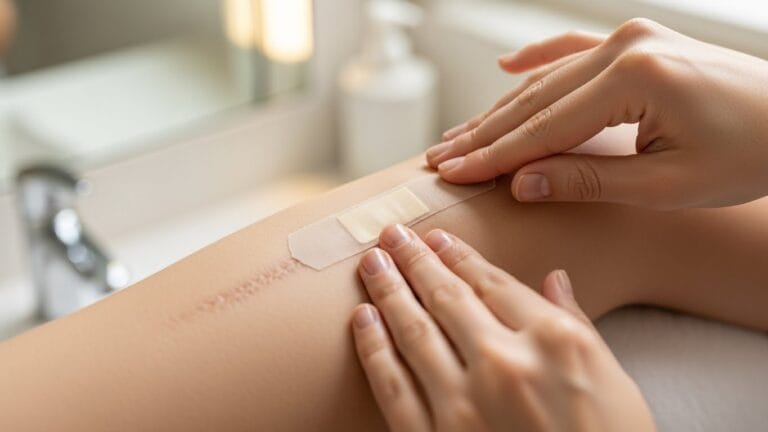
Pimple patches, sometimes called acne patches or acne stickers, are small, adhesive dots that go directly on your pimple. They’re designed to:
- Protect your pimple from bacteria and dirt
- Absorb pus, oil, and other fluids
- Stop you from touching or picking the spot
- Speed up healing naturally
The magic ingredient inside most of them is hydrocolloid, a gel-like material that’s been used in hospitals for wound care for decades. It’s gentle on skin but powerful at drawing out moisture and helping the area heal.
How Do Pimple Patches Work?
Pimple patches work by drawing out fluid, reducing inflammation, and keeping bacteria away so your skin can heal faster.
Here’s what happens after you apply one:
- The hydrocolloid layer starts pulling out oil, pus, and gunk from the pimple.
- It absorbs this fluid and traps it inside the patch.
- The patch forms a barrier that prevents dirt and bacteria from entering.
- As it stays moist underneath, your skin heals without scabbing or scarring.
You’ll know it’s working when the patch turns white or cloudy — that’s the oil and fluid it’s absorbed overnight.
Types of Pimple Patches and When to Use Them
Not all patches are the same, and choosing the right one can make a big difference.
1. Classic Hydrocolloid Patches
- Best for: Whiteheads or popped pimples
- Why: They absorb fluid and protect the area while healing
2. Medicated Patches
- Best for: Early pimples or inflamed spots
- Contain: Ingredients like salicylic acid, tea tree oil, or niacinamide that help kill bacteria and unclog pores
3. Microneedle Patches
- Best for: Deep, under-the-skin pimples
- Why: Tiny dissolving “needles” push acne-fighting ingredients deeper into the skin
When and How to Use Pimple Patches
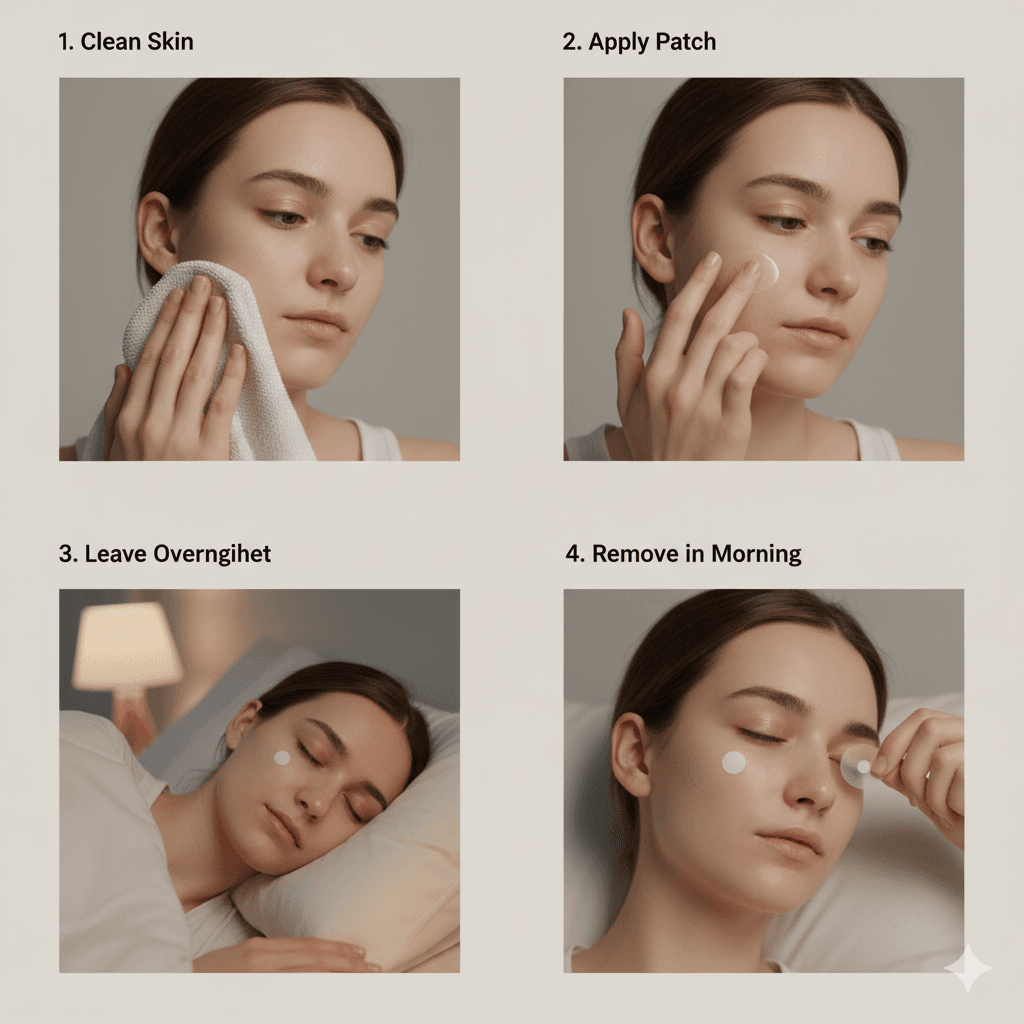
Using pimple patches correctly is what makes them so effective. Here’s how to do it:
- Cleanse and dry your skin before applying.
- Stick the patch directly on the pimple (no moisturizer underneath).
- Leave it on for at least 6–8 hours — overnight is best.
- Remove gently once the patch turns white.
- Apply a soothing product afterward, like a light moisturizer or aloe gel.
Avoid layering makeup or serums under the patch. Oils and creams can weaken the adhesive and reduce absorption.
Do Pimple Patches Work on All Types of Acne?
Pimple patches work best on surface-level acne, like whiteheads and small pustules.
They’re not very effective for cystic acne or hormonal breakouts that sit deeper under the skin. But even then, they can still help by:
- Reducing swelling
- Preventing bacteria from spreading
- Stopping you from picking and worsening the spot
So while they’re not a cure for every kind of acne, they’re an excellent addition to your routine when you need fast, targeted help.
What Happens After You Remove a Pimple Patch?
When you peel off the patch, you’ll usually see that it’s turned white. That’s proof it’s absorbed fluid from your pimple.
Your skin may look flatter, calmer, and less red. If the area feels slightly raw, apply a gentle, non-comedogenic moisturizer. Avoid applying harsh acne products right away — your skin needs time to repair.
The Benefits of Using Pimple Patches
Here’s why so many people (and dermatologists) love them:
- They’re hygienic: Prevent touching and spreading bacteria.
- They’re fast: Noticeable results overnight.
- They prevent scarring: Promote healing without irritation.
- They’re discreet: Most are clear and invisible under makeup.
- They’re easy: Stick, sleep, and wake up with calmer skin.
Common Mistakes to Avoid
To make sure your patch does its job:
- Don’t apply it to oily or wet skin.
- Don’t use it over thick creams or serums.
- Don’t remove it too early — wait until it turns white.
- Don’t use it on deep cystic pimples expecting overnight results.
Final Thoughts About How Do Pimple Patches Work?
Pimple patches are one of the simplest, most effective ways to treat small pimples fast. They absorb fluid, protect your skin from bacteria, and help pimples heal without scarring — all while stopping you from picking.
If you struggle with occasional breakouts, keeping a box of patches in your skincare kit is a must. They’re small, discreet, and surprisingly powerful for what they do.
FAQs About How Do Pimple Patches Work?
Can I wear pimple patches during the day?
Yes, many are thin and clear enough to wear under makeup or sunscreen.
Do pimple patches work for blackheads?
Not really — they’re best for pimples that have fluid inside, like whiteheads.
Can I use them every day?
Absolutely. They’re gentle enough for daily use when needed.
Are medicated patches better than regular ones?
They can be, especially if you have inflamed or recurring breakouts.
Do pimple patches work on unpopped pimples?
Pimple patches can help with unpopped pimples, but their effectiveness depends on the type of acne.
They work best on pimples that are close to the surface, like whiteheads or small pustules, because the hydrocolloid material can absorb fluid that’s already near the skin’s surface. For deep, under-the-skin pimples (like cystic acne), the patch can’t reach the trapped oil and bacteria, but it can still reduce inflammation and protect the area from irritation or picking.
The white stuff you see on a pimple patch after removing it is a mix of pus, oil, and fluid absorbed from the pimple.
The hydrocolloid in the patch draws out excess moisture and gunk from the blemish, trapping it inside the patch. This white spot is proof that the patch has done its job by cleaning the area and helping it heal faster.
How long does it take for a pimple patch to work?
Most pimple patches start working within 6 to 8 hours, and you’ll often see visible results overnight.
They flatten the pimple, reduce redness, and absorb excess oil. However, the exact time depends on the size and stage of the pimple. Small whiteheads can improve in one use, while larger or deeper pimples may need a second patch.
How do pimple patches draw out pus?
Pimple patches draw out pus using a material called hydrocolloid, which naturally absorbs moisture from wounds and pimples.
When you apply the patch, it creates a moist environment over the blemish. This causes fluid inside the pimple — including pus, oil, and debris — to move toward the patch. As the hydrocolloid absorbs this fluid, the patch swells slightly and turns white, showing it has pulled impurities from the skin while keeping bacteria out.