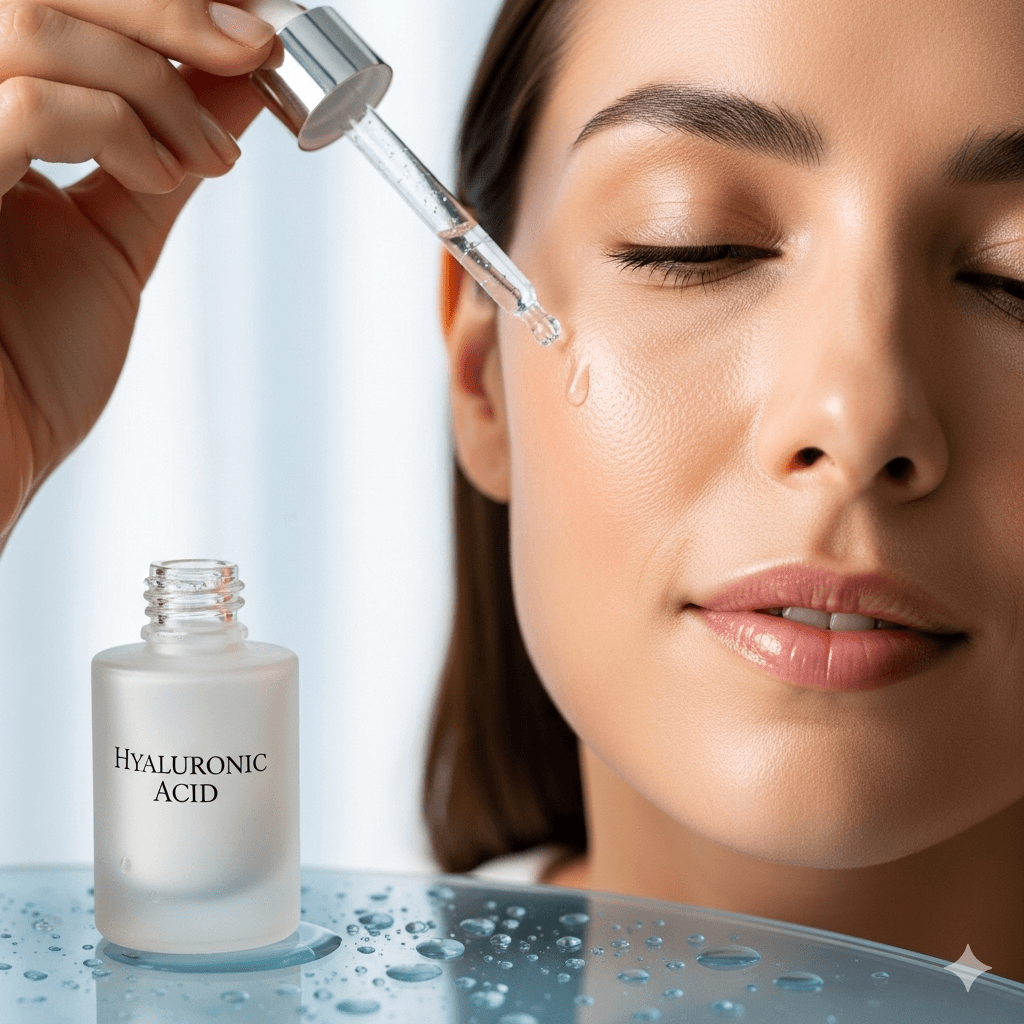
Best Hyaluronic Acid Serums in 2025: Dermatologist-Backed Guide for Every Skin Type
The best hyaluronic acid serums deeply hydrate your skin, plump fine lines, and support a healthy skin barrier. If your skin feels dull, tight, or dehydrated, adding a hyaluronic acid (HA) serum can make a noticeable difference.
In this guide, you’ll learn:
- What hyaluronic acid does for your skin
- How to choose the right serum for your skin type
- The best dermatologist-recommended serums in 2025
- How to use HA serums the right way
What Is Hyaluronic Acid and Why Does Your Skin Need It?
Hyaluronic acid is a humectant, meaning it draws water into the skin. Your body naturally produces it, but levels decrease with age.
Benefits of hyaluronic acid serum:
- Increases hydration and plumpness
- Helps smooth fine lines
- Supports skin barrier repair
- Improves elasticity and overall skin texture
Key takeaway: Hyaluronic acid is safe for nearly all skin types and works best when sealed in with a moisturizer.
How to Choose the Best Hyaluronic Acid Serum for Your Skin Type
| Skin Type | What to Look For | Avoid |
|---|---|---|
| Dry Skin | Multi-molecular HA, ceramides | Alcohol-heavy formulas |
| Oily/Acne-Prone | Lightweight, oil-free, non-comedogenic | Thick textures |
| Sensitive Skin | Fragrance-free, low % HA | Added acids (like AHAs) in the same formula |
| Mature Skin | HA + peptides or vitamin C | Basic formulas without antioxidants |
Key takeaway: Always match the serum texture and added ingredients to your skin type.
Top 7 Best Hyaluronic Acid Serums in 2025 (Dermatologist Approved)
| Product | Best For | Price Range | Highlight Ingredients |
|---|---|---|---|
| The Ordinary Hyaluronic Acid 2% + B5 | Affordable option | $8–$12 | HA, Vitamin B5 |
| CeraVe Hydrating Hyaluronic Acid Serum | Sensitive/dry skin | $15–$20 | HA, Ceramides |
| SkinCeuticals Hyaluronic Acid Intensifier | Mature skin | $100+ | HA, Proxylane, Purple Rice Extract |
| Neutrogena Hydro Boost HA Serum | Everyday use | $20–$25 | HA, Glycerin |
| La Roche-Posay Hyalu B5 Serum | Anti-aging | $30–$40 | HA, Vitamin B5 |
| Paula’s Choice Hyaluronic Acid Booster | Layering | $35 | Multi-molecular HA |
| Vichy Minéral 89 Daily Booster | Dehydrated skin | $20–$30 | HA, Vichy Thermal Water |
Key takeaway: You don’t need to spend $100+ to get results — drugstore HA serums often perform just as well for hydration.
Ingredient Pairings That Work Well with Hyaluronic Acid
- HA + Vitamin C → Brightening + hydration
- HA + Niacinamide → Strengthens barrier + controls redness
- HA + Ceramides → Deep, long-lasting hydration
Key takeaway: Hyaluronic acid works best when paired with barrier-supporting ingredients like ceramides.
How to Use Hyaluronic Acid Serum Correctly
- Apply on slightly damp skin
- Use 2–3 drops only
- Follow immediately with a moisturizer
- Can be used morning and night
Mistake to avoid: Using HA serum on dry skin without moisturizer can actually make your skin drier.
Conclusion
Hyaluronic acid is one of the most versatile and effective skincare ingredients you can add to your routine. You can pick a budget-friendly option like The Ordinary or a dermatologist favorite like SkinCeuticals. The important thing is to use it regularly and combine it with a good moisturizer.
Final takeaway: Choose a serum based on your skin type, apply it correctly, and you’ll see healthier, plumper skin in weeks.
References
- American Academy of Dermatology. Hyaluronic Acid: What It Is and How It Benefits Skin. aad.org
- Cleveland Clinic. Hyaluronic Acid for Skin: Uses and Benefits. my.clevelandclinic.org
FAQs About Hyaluronic Acid Serums
Is hyaluronic acid serum good for oily skin?
Yes. Choose a lightweight, non-comedogenic serum that won’t clog pores. Gel-based formulas are especially effective for oily or acne-prone skin.
Can I use hyaluronic acid serum every day?
Yes. Most people can use it twice daily without irritation. For best results, apply on damp skin and always follow with a moisturizer to lock in hydration.
Does hyaluronic acid reduce wrinkles?
Hyaluronic acid helps plump fine lines and makes skin look smoother. For deeper wrinkles and long-term anti-aging benefits, pair it with ingredients like retinol or peptides.
What percentage of hyaluronic acid is best?
Most effective serums contain between 1–2% hyaluronic acid. Higher concentrations do not necessarily provide better results and may cause irritation in sensitive skin.
Can I layer hyaluronic acid serum with vitamin C or niacinamide?
Yes. Hyaluronic acid pairs well with vitamin C for brightening and with niacinamide for barrier repair. These combinations often enhance hydration, skin tone, and resilience.
Is hyaluronic acid safe for sensitive skin?
Yes, it is generally safe for sensitive skin. Look for formulas that are fragrance-free and enriched with soothing ingredients such as vitamin B5 or ceramides.
Should I apply hyaluronic acid serum on dry or damp skin?
Always apply hyaluronic acid on damp skin. This allows it to pull in and hold more water, maximizing hydration. Follow with a moisturizer to seal it in.
What does hyaluronic acid serum do?
Hyaluronic acid serum helps your skin hold onto water, making it look smoother, plumper, and more hydrated. It reduces the appearance of fine lines, improves skin elasticity, and strengthens the skin barrier. Since it works as a humectant, it draws moisture into the skin and keeps it locked in when followed by a moisturizer.
Which is better, vitamin C or hyaluronic acid?
Vitamin C and hyaluronic acid serve different purposes, so one isn’t “better” than the other. Vitamin C is an antioxidant that helps brighten skin, fade dark spots, and protect against environmental damage. Hyaluronic acid focuses on hydration and plumping. Many dermatologists recommend using them together in a skincare routine for the best results: vitamin C in the morning for protection and HA for hydration morning and night.
Is it good to use hyaluronic acid serum every day?
Yes. Hyaluronic acid is gentle and safe for daily use, even twice a day. In fact, consistent use is what delivers the best results. To maximize hydration, apply HA serum to slightly damp skin and follow it with a moisturizer. This prevents moisture from evaporating and keeps skin feeling soft and smooth.
Is hyaluronic acid good for oily skin?
Yes. Hyaluronic acid is lightweight and non-comedogenic, which means it hydrates without clogging pores or making skin greasy. For oily or acne-prone skin, look for gel-based or oil-free HA serums. These provide hydration while keeping the skin balanced and reducing excess oil production.